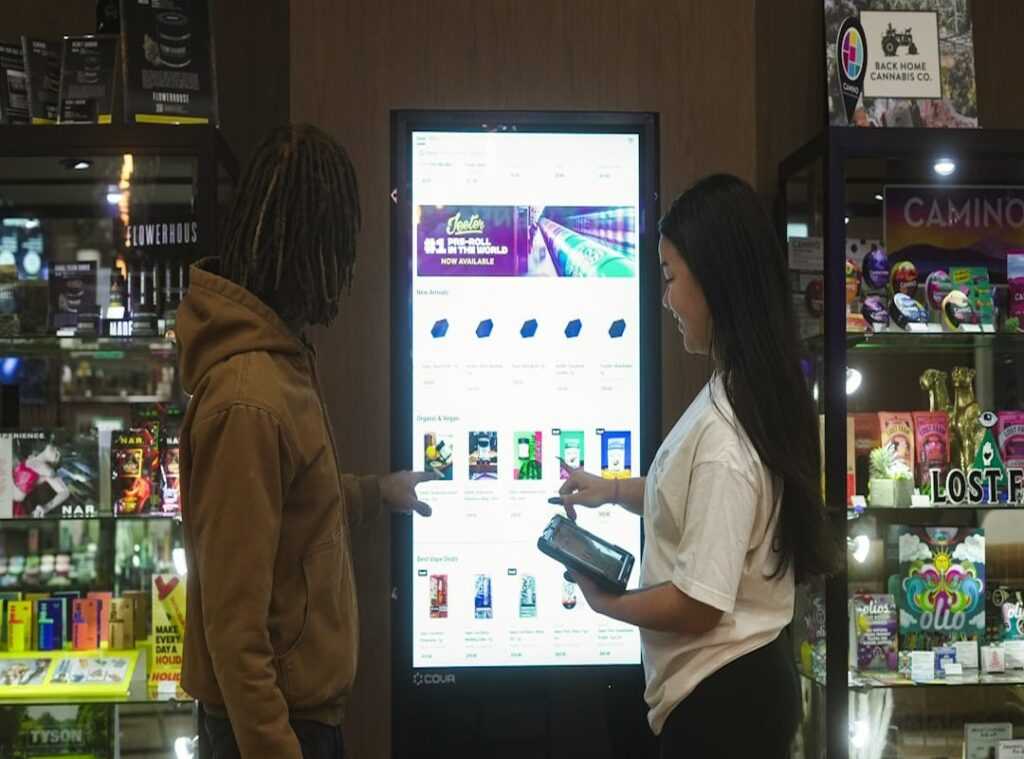
Today’s shoppers aren’t just buying products. They’re investing in a brand’s values, and guess what tops their list? Sustainability.
But let’s face it: many retailers panic at the thought of “going green.” They worry it means breaking the bank, complicating processes, or losing their style.
I get it. It’s a common fear. Yet, it’s time to look at the reality.
We’ve done the homework (dove headfirst into retail trends shaping the future). This isn’t just theory (this) is what’s effective right now.
So, what’s the deal with sustainable retail practices? They’re not a compromise. They’re a boost.
They boost your brand, pull in loyal customers, and yes, they’re genuinely good for business. Stick with me, and I’ll guide you through the most impactful eco-friendly retail methods.
Green: The New Black in Retail
Why is everyone talking about sustainable retail practices? Simple. It’s not just a trend anymore; it’s the new standard.
Consumers today, especially Millennials and Gen Z, are all about sustainability. Did you know they’re willing to pay more for brands that care? It’s true.
According to a recent survey, over 70% of them actively seek out eco-friendly options.
But it’s not just about satisfying consumer demands. It’s also about building a brand story that’s genuine. People want to trust brands.
They want to feel good about their purchases. A strong, eco-friendly narrative sets your brand apart. It’s the difference between blending in and standing out.
And who wants to blend in?
Let’s talk about future-proofing. Reducing waste and using durable materials aren’t just environmentally friendly; they’re smart business. They lead to long-term savings and help you get through those pesky regulations.
It’s like preparing for a storm before it hits.
And speaking of the future, have you thought about future retail robotics automation? It’s another layer to consider. But for now, making green choices isn’t just good for the planet; it’s good for business.
Are you ready to adapt?
From Source to Shelf: Crafting Your Sustainable Lineup
Sustainability starts with the product itself. What you sell (it’s) key. Let’s talk Material Selection.
Ever heard of Tencel™ Lyocell? It’s a game-changer, made from wood pulp that’s not just soft but also uses less water. Then there’s organic linen, which skips the pesticides.
Recycled fabrics? They give waste a second life. And mushroom leather (sounds) weird, right?
But it’s compostable and cruelty-free. These materials, they’re not just trends. They’re a shift towards sustainable retail practices that matter.
Now, onto the supply chain. You can’t just slap a green label on a product and call it a day. A Transparent Supply Chain is non-negotiable.
Working with ethical manufacturers is where you start. Certifications like Fair Trade or B Corp? They’re more than badges.
They tell your customers you’re serious about ethics. They matter because consumers demand accountability. Who wants to buy from a company that hides how their products are made?
Let’s not forget the power of Quality over Quantity. This isn’t about stuffing shelves. It’s about curation.
Think minimalist or capsule wardrobes. They’re not just chic; they’re smart. They reduce waste and promote mindful consumption.
Customers aren’t just buying clothes. They’re buying a lifestyle. This approach positions you as a premium retailer.
It’s about offering less but delivering more in terms of value and sustainability.
Want more ideas? Check out these 8 sustainable retail ideas to set up. They might just spark the next big thing in your retail plan.
Sustainability isn’t a trend; it’s the future. So, are you ready to lead the charge?
Unbox the Future: Eco-Friendly Packaging & Operations
Okay, let’s talk about sustainable retail practices. It’s not just about cutting down on plastic. People want to see (and touch) the change.
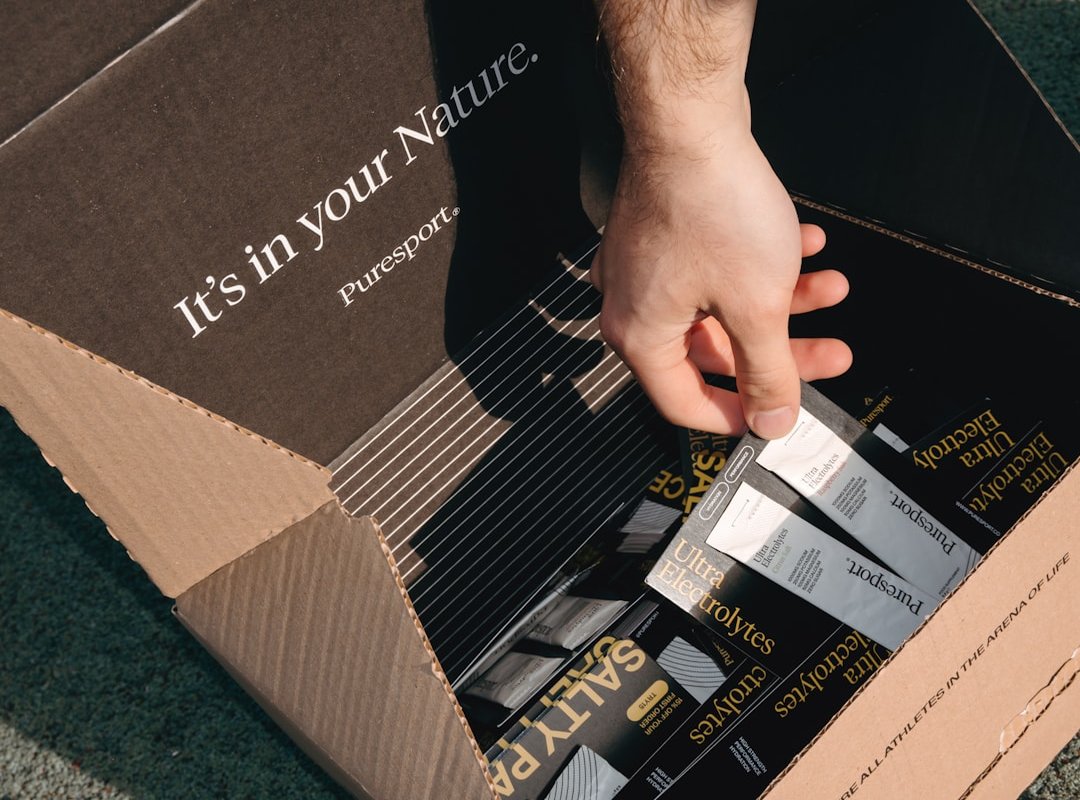
Trust me, they notice when you put effort into packaging.
Forget the bare minimum. Unboxing should be an event, not a chore. Think FSC-certified cardboard, soy-based inks, and compostable mailers.
Throw in a branded reusable fabric bag and suddenly, you’ve got an experience. You have no idea how far that goes in telling your brand story.
Now, I hear you: “Isn’t fancy packaging expensive?” Sure, sometimes. But it’s an investment. Eco-friendly doesn’t have to mean boring or costly.
You can create a luxurious aesthetic without breaking the bank. Customers feel good about their purchase; they’re part of something bigger. Isn’t that what everyone wants?
Let’s move to in-store experiences. Digital receipts are a no-brainer. Lose the paper; save a tree.
Ever considered LED lighting? It’s energy-fast (and hey, it saves on bills). And a water bottle refill station?
Genius. It screams, “We care about the planet.”
And what about store design itself? Using reclaimed materials or non-toxic paints isn’t just trendy. It’s responsible.
Source decor from local artisans. It reduces your carbon footprint but also supports your community. That’s a win-win in my book.
You might ask, “Is all this effort worth it?” Look at how retailers adapting to ai and understand the importance of staying ahead. It’s about being relevant and responsible.
Pro tip: customers remember the brands that go the extra mile. They talk about it, share it, and ultimately, buy more from brands they trust. So, why not make sustainability part of your brand identity?
It’s not just a trend; it’s a necessity. Get on board or get left behind.
Closing the Loop: Circular Models in Retail
Let’s be real. Retail needs a shake-up. Enter the circular economy.
It’s not just about recycling your old jeans (though that’s cool too). It’s about redefining how we consume. Circular models are the future, and they’re redefining retail in ways that are both sustainable and profitable.
Take Patagonia’s Worn Wear. They’ve turned used gear into a new revenue stream. And guess what?
Customers love it. It’s not just about buying a jacket. It’s about buying into a community.
Why stop there? The Brand-Owned Resale Model is catching on. Eileen Fisher’s ‘Renew’ is another trailblazer.
They’re not just selling clothes. They’re selling a piece of a sustainable future. And it works.
People are willing to pay more because they believe in the brand’s mission. This isn’t just a fad. It’s a movement.
Then there’s the Repair Programs. Look at Nudie Jeans. Free lifetime repairs?
That’s dedication. It builds loyalty like nothing else. When you know a brand will fix your jeans for life, you trust them more.
It’s a solid tool to prove a product’s quality. This isn’t just marketing. It’s the real deal.
And let’s not forget Rental Services. Why buy a dress you’ll wear once? Rent it.
It’s genius. It reduces consumption and still offers style. People are catching on.
Sustainable retail practices are here to stay. The future of retail isn’t just about selling stuff. It’s about changing how stuff is consumed.
Ready to join the movement?
Your Green Blueprint Awaits
Now, you hold the keys to a new direction. Armed with eco-friendly retail methods, that fog of uncertainty has lifted. You know the drill: modern consumers crave authenticity and long-term value.
These sustainable retail practices aren’t just trendy buzzwords. They’re what consumers are demanding, and they can transform your brand. So, here’s the challenge.
Choose one method from this guide and dive in this quarter. You’ll align with consumer desires but also carve out an authentic brand identity. Ready to meet the demands of today (and) tomorrow?
Start now, and watch your brand transform.
 There is a specific skill involved in explaining something clearly — one that is completely separate from actually knowing the subject. Kylor Eldwain has both. They has spent years working with consumer style spotlights in a hands-on capacity, and an equal amount of time figuring out how to translate that experience into writing that people with different backgrounds can actually absorb and use.
Kylor tends to approach complex subjects — Consumer Style Spotlights, Shopping Trends and Must-Haves, Trending Now in Retail being good examples — by starting with what the reader already knows, then building outward from there rather than dropping them in the deep end. It sounds like a small thing. In practice it makes a significant difference in whether someone finishes the article or abandons it halfway through. They is also good at knowing when to stop — a surprisingly underrated skill. Some writers bury useful information under so many caveats and qualifications that the point disappears. Kylor knows where the point is and gets there without too many detours.
The practical effect of all this is that people who read Kylor's work tend to come away actually capable of doing something with it. Not just vaguely informed — actually capable. For a writer working in consumer style spotlights, that is probably the best possible outcome, and it's the standard Kylor holds they's own work to.
There is a specific skill involved in explaining something clearly — one that is completely separate from actually knowing the subject. Kylor Eldwain has both. They has spent years working with consumer style spotlights in a hands-on capacity, and an equal amount of time figuring out how to translate that experience into writing that people with different backgrounds can actually absorb and use.
Kylor tends to approach complex subjects — Consumer Style Spotlights, Shopping Trends and Must-Haves, Trending Now in Retail being good examples — by starting with what the reader already knows, then building outward from there rather than dropping them in the deep end. It sounds like a small thing. In practice it makes a significant difference in whether someone finishes the article or abandons it halfway through. They is also good at knowing when to stop — a surprisingly underrated skill. Some writers bury useful information under so many caveats and qualifications that the point disappears. Kylor knows where the point is and gets there without too many detours.
The practical effect of all this is that people who read Kylor's work tend to come away actually capable of doing something with it. Not just vaguely informed — actually capable. For a writer working in consumer style spotlights, that is probably the best possible outcome, and it's the standard Kylor holds they's own work to.