
Ever found an item online that feels just right, as if it was picked just for you? It’s like having a secret stylist who knows your taste. Then, there’s the opposite: scrolling through generic junk that doesn’t connect.
What’s behind this magic? Artificial intelligence.
In this article, I’ll break down how retailers adapting AI are making shopping feel personal. AI isn’t just tech babble (it’s) transforming how we buy stuff. Our focus on real retail trends gives us the inside scoop on this shift.
You’ll see how AI changes shopping from a dull transaction to a tailored experience.
Trust me, this isn’t tech hype. It’s practical, down-to-earth information. Stick around, and you’ll get a clear guide on AI’s real-world impact on retail.
Beyond the Buzz: AI in Retail
Let’s be real. Artificial intelligence is just a fancy term for teaching computers to think like the best personal shoppers and store managers. You know what I mean?
It’s not just chatbots anymore. The way retailers adapting AI has changed the game is both subtle and solid (and I’m all about that).
Forget the marketing fluff. The real magic happens in three core areas. First, there’s Hyper-Personalization.
You know those custom suggestions in your feed? That’s AI whispering in your ear, telling you what to buy next, like your own digital consultant.
Next up: Behind-the-Scenes Efficiency. It’s not glamorous, but getting products to you faster is a game-changer. Ever wondered how that trendy jacket showed up at your door so quickly?
Thank AI for that logistical wizardry. Finally, there’s The Smart Store. Upgrading the in-person vibe?
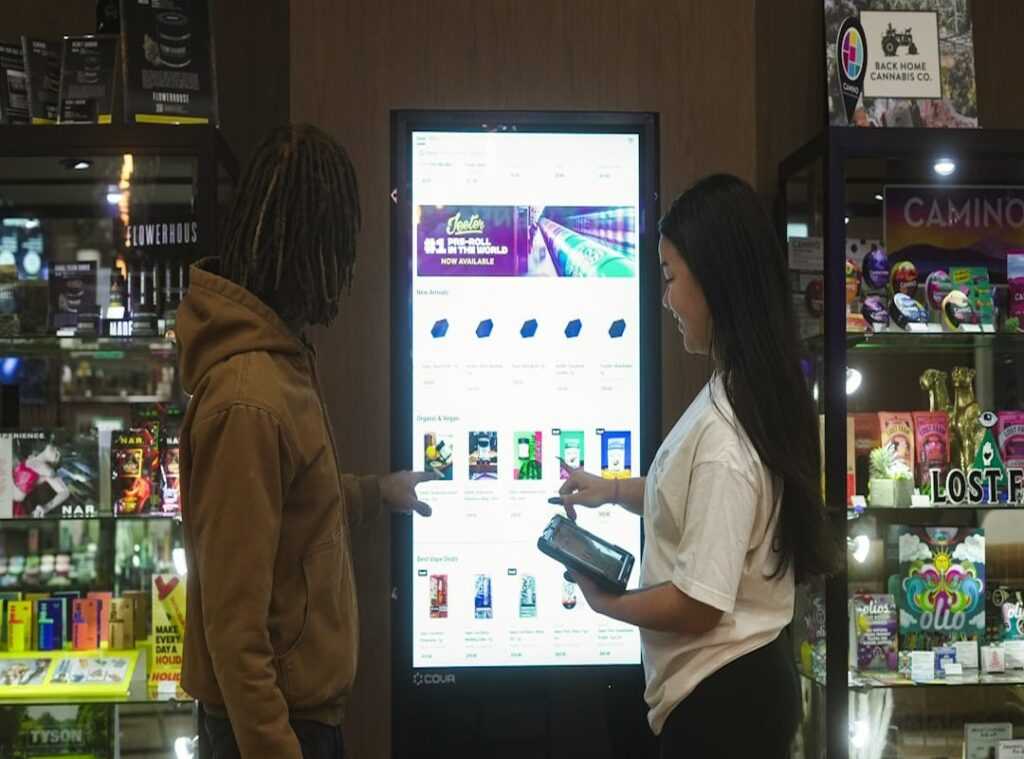
Yep, AI is behind all those cool interactive displays you’re seeing now. It’s like magic.
AI is like the invisible thread weaving together a customer journey. From your first click to the final purchase, it’s got your back. (No wonder it’s such a hit in retail.)
For those interested in how AI intersects with sustainability, check out the rise sustainable retail practices for more takeaways. Trust me, it’s worth the read.
So, does AI in retail live up to the hype? Absolutely. Just don’t expect it to fetch your morning coffee (yet.)
The Ultimate Personal Shopper: Crafting Your Perfect Style
I’ve always been fascinated by how AI is transforming the way we shop. It’s like having a personal shopper who knows you better than you know yourself. AI algorithms work tirelessly, analyzing everything from your browsing history to what’s trending on social media.
This isn’t some sci-fi nonsense; it’s happening now. Ever heard of Stitch Fix or The Yes? They’re at the forefront, using data to predict what you’ll love next.
It’s like magic, but with code.
But here’s the thing: the biggest hurdle in online shopping is imagining how something will look on you. Enter AI-driven virtual try-ons. They’re solving this problem by letting you see how that dress or jacket fits your body before you hit “buy.” Brands are jumping on this tech because it simply makes sense.
Imagine never having to return another ill-fitting pair of jeans. It’s a game-changer.
Changing content is another trick up AI’s sleeve. Websites and emails that adapt to your style in real-time. It’s like walking into a store and finding a section curated just for you.
You feel seen, understood. More than just a shopper, you become part of the brand’s story.
Retailers adapting AI are leading this revolution. They’re redefining the shopping experience, making it more personal and intuitive. Curious about how all this works? Check out how retailers adapting AI are changing the game. AI is here, and it’s making shopping better, smarter, and definitely cooler.
Behind the Scenes: The Invisible Genius
Ever wonder how your favorite store always seems to have just what you need? It’s not magic. It’s predictive inventory management.
Retailers adapting AI are secretly the wizards here. This behind-the-scenes tech ensures you’re not met with the dreaded “sold out” sign when that must-have item suddenly becomes the next big thing. Imagine never missing out on the latest sneaker drop again.
But wait, there’s more. The magic continues with supply chain optimization. AI doesn’t just stop at stocking shelves.
It maps out the quickest, most fast route to get your purchase from the warehouse to your doorstep. Remember that time you ordered something, and it arrived in what felt like an instant? Yeah, thank the AI-driven logistics for that.
And let’s not forget about security. AI-powered fraud detection is the unsung hero keeping your data safe. With all the online shopping we do, a secure checkout process is non-negotiable.
It’s like having a personal delivery service on steroids.
Retailers are using these smart systems to spot suspicious activity faster than you can say “credit card fraud.”
Curious about how these innovations are reshaping retail in 2024? You can learn more about it. Trust me, it’s a game-changer.
The next time you’re shopping, remember there’s a lot more going on behind the scenes than meets the eye.
The In-Store Revolution: A Glimpse into the Future
Retail isn’t just about online shopping. Brick-and-mortar stores are stepping up their game too. You know how waiting in line is the worst?

Imagine walking into a store, grabbing what you need, and just leaving. Amazon Go is doing it with cashier-less checkouts. No lines.
No waiting. Just pure, unadulterated convenience.
AI is everywhere, even in those mirrors. Smart stores have these AI-powered mirrors that suggest outfits. Need to see that shirt in blue?
Done. Without even trying it on. It’s like living in a sci-fi movie, but it’s happening now.
Retailers adapting AI isn’t just about mirrors. They’re using sensors and cameras, anonymously of course, to watch how we shop. Creepy?
Maybe. Effective? Absolutely.
This data helps create better store layouts and dazzling displays. They know where we linger and where we zip by. The store gets smarter each time you visit.
But, hang on, isn’t it a bit much? Some might feel like it’s invasive. Yet, if this means a more enjoyable shopping trip, I’m all in.
Stores are becoming experiences, not just a place to buy stuff. It’s a balance between tech and personal touch.
So, are we ready to embrace this future? Or do we miss the old-school shopping hustle? The evolution is here.
And trust me, it’ll be worth watching.
AI in Retail: Start Smart, Not Big
Thinking of jumping into AI like it’s a pool? Stop. First, ask: what’s one problem you can solve right now?
Focus on reducing cart abandonment. Start with personalized exit-intent pop-ups. They’re quick to set up and show immediate results.
Boost the customer experience first. you’ll see a fast return on investment.
Remember, AI is here to support, not replace. It gives teams better data for meaningful connections. Retailers adapting AI should aim to help, not overshadow.
Humans still rule retail, right? Start small, win big. Adapting is about evolution, not revolution.
Open up Retail’s Future with AI
Feeling overwhelmed by AI? I get it. But now you see how retailers adapting AI are reshaping the industry.
It’s not about fancy tech for the sake of it. It’s about creating smooth shopping experiences that feel personal. Next time you’re shopping, take a moment.
Notice how AI-driven changes boost your experience. Think about your brand. How can AI raise your customer journey?
Don’t just watch from the sidelines. Dive in. Transform your retail plan.
Start now and make your mark. Visit bigussani.com for takeaways that keep you ahead. Ready to lead the change?
 Anne Rigginswavel is the kind of writer who genuinely cannot publish something without checking it twice. Maybe three times. They came to unique finds through years of hands-on work rather than theory, which means the things they writes about — Unique Finds, Trending Now in Retail, Smart Buying Guides, among other areas — are things they has actually tested, questioned, and revised opinions on more than once.
That shows in the work. Anne's pieces tend to go a level deeper than most. Not in a way that becomes unreadable, but in a way that makes you realize you'd been missing something important. They has a habit of finding the detail that everybody else glosses over and making it the center of the story — which sounds simple, but takes a rare combination of curiosity and patience to pull off consistently. The writing never feels rushed. It feels like someone who sat with the subject long enough to actually understand it.
Outside of specific topics, what Anne cares about most is whether the reader walks away with something useful. Not impressed. Not entertained. Useful. That's a harder bar to clear than it sounds, and they clears it more often than not — which is why readers tend to remember Anne's articles long after they've forgotten the headline.
Anne Rigginswavel is the kind of writer who genuinely cannot publish something without checking it twice. Maybe three times. They came to unique finds through years of hands-on work rather than theory, which means the things they writes about — Unique Finds, Trending Now in Retail, Smart Buying Guides, among other areas — are things they has actually tested, questioned, and revised opinions on more than once.
That shows in the work. Anne's pieces tend to go a level deeper than most. Not in a way that becomes unreadable, but in a way that makes you realize you'd been missing something important. They has a habit of finding the detail that everybody else glosses over and making it the center of the story — which sounds simple, but takes a rare combination of curiosity and patience to pull off consistently. The writing never feels rushed. It feels like someone who sat with the subject long enough to actually understand it.
Outside of specific topics, what Anne cares about most is whether the reader walks away with something useful. Not impressed. Not entertained. Useful. That's a harder bar to clear than it sounds, and they clears it more often than not — which is why readers tend to remember Anne's articles long after they've forgotten the headline.