
If you’re searching for insights on retail industry trends 2026, you’re likely trying to stay ahead of fast-changing consumer behavior, emerging shopping technologies, and the products set to define the next wave of must-have buys. Retail is evolving at record speed—from AI-powered personalization and immersive in-store experiences to smarter, value-driven purchasing habits—and understanding what’s coming next can help you shop smarter or position your brand more strategically.
This article breaks down the key shifts shaping 2026, highlighting the trends gaining real momentum, the categories seeing the strongest growth, and the innovations redefining how consumers discover and buy products. Our insights are grounded in ongoing analysis of market data, consumer preference reports, and current retail performance patterns to ensure you’re getting timely, relevant information—not outdated predictions.
Whether you’re a trend-conscious shopper or simply want to make more informed buying decisions, this guide will help you navigate what’s next in retail with clarity and confidence.
Retail is entering a decisive era. In 2026, success favors the prepared. Here are four moves to make now:
- Invest in AI-driven personalization to tailor offers in real time; McKinsey reports personalization can lift revenue by 10–15%.
- Prioritize seamless omnichannel buying so carts sync across apps and stores; shoppers expect it (Salesforce).
- Audit supply chains for resilience and speed; delays kill loyalty.
- Curate sustainable products consumers trust; 78% say sustainability matters (Nielsen).
Ignore retail industry trends 2026 and you’ll fall behind. Act boldly now. Test, learn, iterate, then double down. Stay relentlessly curious.
Beyond the Transaction: Why In-Store Experiences Will Define Winners
A few months ago, I walked into a sneaker store just to “browse.” Thirty minutes later, I was designing custom colorways on a touchscreen wall while a sales associate explained the story behind the materials. I didn’t just buy shoes—I bought the experience. (And yes, I left feeling like I’d just unlocked a side quest in a video game.)
That’s the shift brick-and-mortar has to embrace. A physical store can’t compete with two-day shipping on convenience alone. It has to offer what e-commerce physically cannot: immersion.
In fact, many retail industry trends 2026 reports highlight experiential retail as a primary growth driver (McKinsey & Company, 2025). Some critics argue that investing in interactive tech is expensive and risky. They’re not wrong—AR mirrors and smart fitting rooms require capital. But when used well, they turn shopping into “retailtainment” (retail + entertainment), increasing dwell time and conversion rates (Deloitte, 2024).
Beyond technology, community is the real moat. Workshops, expert panels, and exclusive drop events transform stores into gathering spaces. Think less warehouse, more clubhouse.
Then there’s service as a product—personal styling, on-site repairs, customization bars. These value-add services (extra benefits beyond the core product) drive repeat visits because they solve real problems.
Ultimately, transactions are forgettable. Experiences aren’t. And in a world where you can buy anything online, memorability is the ultimate competitive edge.
Your Next Purchase, Predicted: How AI is Reshaping Personal Shopping
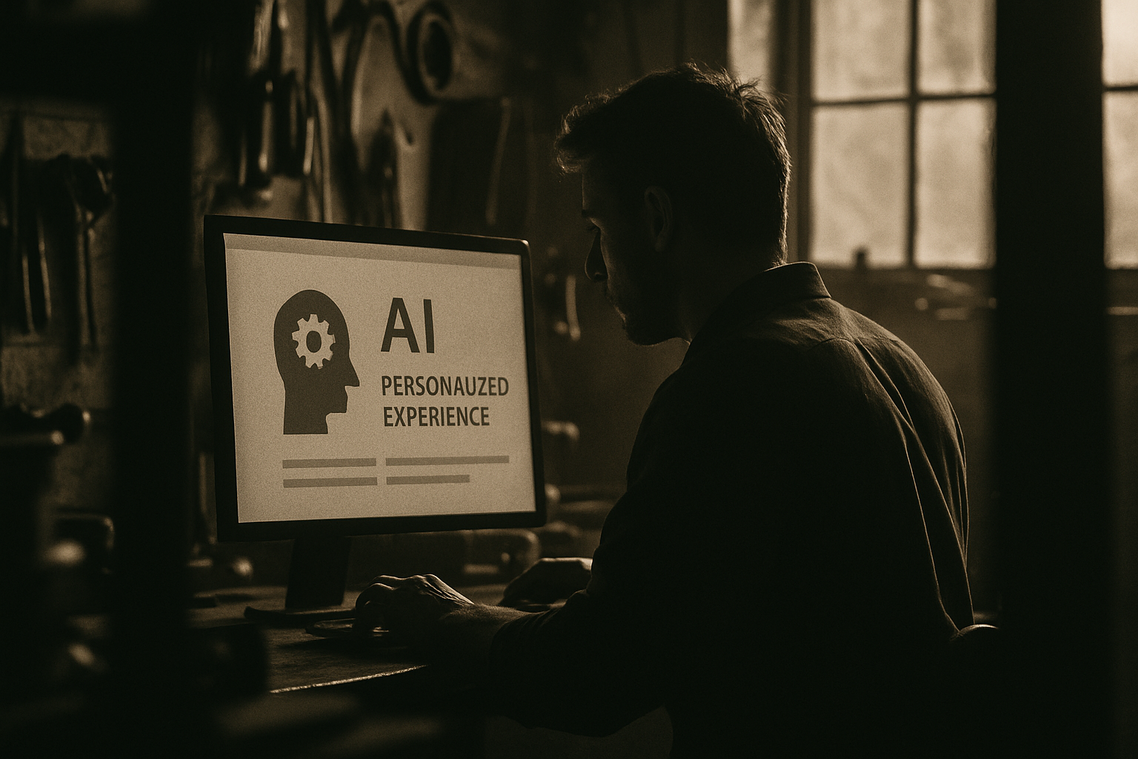
Consumers are exhausted. Endless scrolling. Irrelevant ads. “You might also like” suggestions that feel more like wild guesses than insights (no, I do not need a fifth water bottle).
Here’s the shift: from basic personalization to AI-driven hyper-personalization. Hyper-personalization means using real-time data—browsing behavior, past purchases, even timing patterns—to anticipate what you want before you search. Think Netflix queues, but for sneakers.
Some critics argue this is intrusive. They say predictive shopping erodes spontaneity and narrows discovery. Fair point. But here’s the contrarian take: smart AI doesn’t limit choice—it filters noise. When done right, it expands discovery by surfacing options you’d never find alone (like a stylist who actually listens).
Predictive Curation uses machine learning—algorithms that improve as they process more data—to refine recommendations. Amazon reports that 35% of its revenue comes from its recommendation engine (McKinsey). That’s not luck; that’s pattern recognition.
Seamless Support is evolving through AI chatbots and virtual assistants offering 24/7 guidance. Unlike scripted bots of the 2010s, modern large language models understand context and nuance.
Inventory Intelligence applies predictive analytics—forecasting demand using historical and behavioral data—to reduce overstock and waste. McKinsey estimates AI-driven forecasting can cut inventory errors by up to 50%.
Interestingly, retail industry trends 2026 show brands blending digital precision with physical immersion, echoing how experiential shopping is redefining brick and mortar stores.
Pro tip: Opt into preference centers. The more intentional data you share, the better your predictions (and fewer random ads).
From Fast Fashion to Forever Finds: The Rise of the Conscious Consumer
Shoppers are done with disposable style. Back in 2019, sustainability felt like a marketing add-on; by 2026, it has become a purchase prerequisite. Conscious consumerism—the practice of buying with social and environmental impact in mind—now shapes carts as much as price tags.
Gen Z and Millennials lead the shift, questioning supply chains and calling out greenwashing (the act of overstating eco-credentials). Some critics argue shoppers still choose convenience over conscience. And yes, fast fashion sales haven’t vanished. But after years of climate headlines and viral factory exposés, expectations have hardened.
Brands adapting to retail industry trends 2026 are embedding sustainability into core strategy, not seasonal campaigns.
| Strategy | What It Means | Revenue Impact |
|—|—|—|
| Circular programs | Resale, rental, repair extending product lifecycles | Recurring, loyalty-driven income |
| Radical transparency | Blockchain-tracked sourcing data | Trust that converts browsers |
| Sustainable design | Durable materials, minimal waste packaging | Fewer returns, stronger margins |
The circular economy—a model that keeps products in use for as long as possible—turns yesterday’s purchases into tomorrow’s inventory. After three years of resale pilots, many retailers report stronger retention as shoppers trade in rather than drop off. Transparency tools, once experimental, now function like digital receipts for ethics. The message is clear: forever finds aren’t niche—they’re the new normal.
Instant Gratification, Redefined
Consumers don’t just want fast shipping anymore—they expect it (thanks, same-day Prime conditioning). In my view, the brands winning retail industry trends 2026 are the ones rebuilding logistics from the ground up. Speed is the product now, not just a perk.
Customer impatience isn’t a flaw; it’s a market signal. According to McKinsey, 90% of consumers expect two- to three-day delivery as standard (2023). That pressure is reshaping supply chains into hyper-efficient ecosystems.
Here’s where I think it gets interesting:
- Hyper-Local Fulfillment: Micro-fulfillment centers and “dark stores” cut delivery times dramatically (and shrink return headaches).
- The Final Mile: Autonomous robots and drones aren’t sci-fi—they’re scaling in dense cities.
Some argue automation kills the in-store experience. I disagree. Done right, it frees staff to focus on service, not stockrooms.
Retail in 2026 will blur every boundary between clicks and bricks. Analysts tracking retail industry trends 2026 argue that AI-powered personalization and frictionless logistics will become baseline expectations, not perks. I suspect—and this is speculation—brands that ignore sustainability will feel like flip phones in a smartphone world. Some skeptics say physical stores are doomed; others insist tech erodes humanity. The smarter bet? Integration. Think showrooms powered by data, associates guided by real-time insights, and supply chains built for SPEED. To stay relevant, brands must treat technology as an enabler, not a gimmick.
- Prioritize transparent sourcing.
- Build agile fulfillment networks.
Stay Ahead of What’s Next in Shopping
You came here to understand where shopping is headed and how to make smarter buying decisions. Now you have a clear view of the retail industry trends 2026 shaping what’s worth your money — and what’s not.
The retail world is moving faster than ever. Trends shift. Prices fluctuate. Hype cycles come and go. The real challenge isn’t finding products — it’s knowing which ones truly deliver value and which trends are worth following.
That’s where informed, strategic shopping makes the difference. When you understand emerging retail patterns, consumer behavior shifts, and product innovation, you stop wasting money on impulse buys and start investing in purchases that actually improve your lifestyle.
Don’t let confusing trends or flashy marketing drain your budget. Join thousands of smart shoppers who rely on our expert trend breakdowns and buying guides to cut through the noise. Explore our latest trend reports and curated picks now — and make your next purchase your smartest one yet.