
Shopping doesn’t look the way it did even a few years ago. From curated product suggestions to dynamic pricing and hyper-relevant promotions, ai retail personalization is transforming how consumers discover, evaluate, and purchase products. If you’re searching for how this technology actually impacts your shopping experience—or how brands are using it to influence buying decisions—you’re in the right place.
In this article, we break down what ai retail personalization really means, how it works behind the scenes, and what it means for smart shoppers who want better deals, smarter recommendations, and less guesswork. We analyze current retail data, emerging consumer trends, and real-world brand strategies to separate meaningful innovation from marketing hype.
Whether you’re looking to shop more efficiently, spot genuinely tailored offers, or understand how retailers predict what you’ll want next, this guide will give you clear, practical insights grounded in current retail technology trends.
Seventy-one percent of consumers expect personalized interactions, and 76% get frustrated when they don’t receive them (McKinsey, 2021). In other words, generic shopping experiences are driving customers away—fast.
The core problem? Retailers still rely on one-size-fits-all messaging in a world shaped by Netflix recommendations and Spotify playlists (yes, shoppers notice the difference). While some argue discounts alone win loyalty, data shows experience now rivals price (PwC, 2022).
That’s where ai retail personalization changes the game. Done right, it transforms browsing into curated discovery—tailored offers, predictive suggestions, smarter timing. This guide breaks down overlooked tactics competitors ignore, giving you a roadmap to profitable relevance.
Beyond the Buzzword: What is AI Retail Personalization?
AI retail personalization goes far beyond dropping your first name into an email. At its core, it uses data and machine learning—systems that learn patterns from behavior—to anticipate what shoppers might want next. That means tailoring every touchpoint: homepage banners, product feeds, push notifications, even timing.
The key pillars are straightforward: dynamic product recommendations, personalized marketing messages, and individualized pricing or offers. Dynamic simply means the content updates automatically as behavior changes. Still, I will admit the ethics of individualized pricing are debated—critics worry about fairness, and they have a point.
What makes the “AI” different? Older, rule-based systems followed fixed if-this-then-that logic. AI models, by contrast, adapt in near real time, refining predictions as new clicks, carts, and purchases roll in. Does it always get it right? Not yet. But it keeps learning, and that shift is transformative. For shoppers.
The Technology Behind the Magic: Core AI Engines
At the heart of modern retail experiences are three powerful engines—and understanding them shows exactly what’s in it for you as a shopper or brand leader.
Machine Learning (ML) Algorithms
First, Machine Learning (ML)—a type of artificial intelligence that learns from data without being explicitly programmed—analyzes past purchases, browsing history, and even abandoned carts. It builds what are called propensity models (predictive frameworks that estimate the likelihood of a future action). In practical terms, that means fewer irrelevant ads and more spot-on recommendations. Think of how Netflix seems to “know” your next binge (yes, it’s that same principle).
Some critics argue this feels intrusive. That’s fair. However, when used responsibly and transparently, ML saves time, reduces decision fatigue, and improves product discovery—especially in crowded marketplaces.
Natural Language Processing (NLP)
Next comes Natural Language Processing (NLP), the technology that allows machines to understand human language. NLP powers smart chatbots, interprets customer reviews, and refines conversational search queries. Instead of typing “black boots size 8 leather,” you can ask, “What are stylish waterproof boots for winter?” and actually get useful results.
As a result, ai retail personalization becomes intuitive rather than mechanical. Pro tip: retailers leveraging NLP often see higher engagement because customers feel heard, not filtered.
Predictive Analytics
Finally, predictive analytics forecasts trends, flags at-risk customers, and recommends the “next best action”—the most effective marketing step to increase lifetime value. While some argue forecasting can’t replace human instinct, data-backed insight consistently improves retention rates (McKinsey reports personalization can lift revenue by 10–15%).
In other words, these engines don’t just power convenience—they create smarter, more responsive shopping ecosystems. For more industry context, explore why sustainable retail practices are gaining momentum.
From Clicks to Conversions: Tangible Benefits of a Personalized Strategy
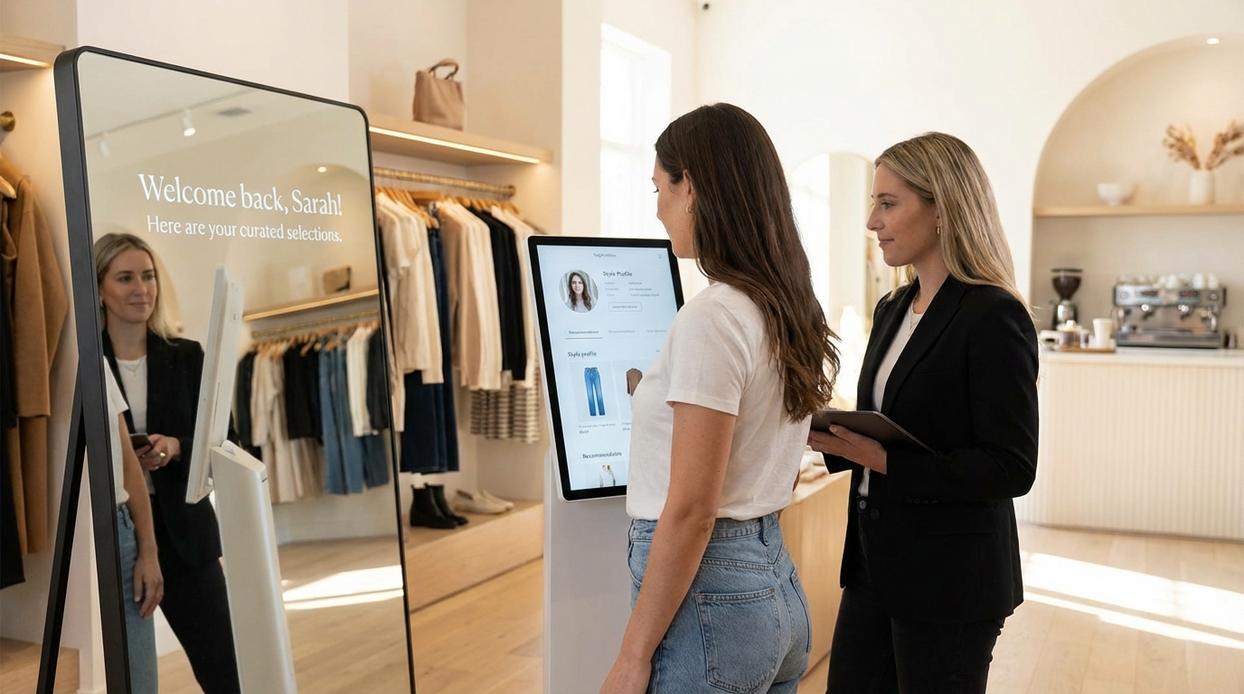
Personalization is not just a buzzword—it is a measurable revenue driver. When done right, it moves shoppers from casual browsing to confident buying.
Increased Average Order Value (AOV)
AI-driven recommendations like “you might also like” and “frequently bought together” increase basket size by surfacing relevant add-ons at the perfect moment. Amazon attributes up to 35% of its revenue to recommendation engines (McKinsey). That is not accidental—it is STRATEGIC. If a shopper adds running shoes to their cart, suggesting performance socks or a fitness tracker feels helpful, not pushy (like a store associate who actually knows your style).
Pro tip: Bundle complementary products with a small discount to nudge higher-value purchases.
Enhanced Customer Loyalty
People return to brands that make them feel understood. This is the “recognition effect”—a psychological response where tailored experiences trigger trust and familiarity. Imagine a customer who frequently buys eco-friendly beauty products. When the homepage highlights sustainable new arrivals, they feel seen. That emotional connection increases retention and repeat purchases. According to Epsilon, 80% of consumers are more likely to buy from brands offering personalized experiences.
Key drivers of loyalty include:
- Relevant product suggestions
- Personalized email follow-ups
- Tailored rewards programs
Reduced Cart Abandonment
Nearly 70% of online carts are abandoned (Baymard Institute). Personalized exit-intent pop-ups, timely reminders, or targeted discounts can recover those sales. A reminder email featuring the exact product left behind often outperforms generic promotions.
Improved Inventory Management
Through predictive analytics and ai retail personalization, retailers forecast demand based on individual shopping patterns. That means stocking the RIGHT products at the RIGHT time—reducing overstock and missed sales opportunities.
Your First Steps: A Practical Framework for Implementation
Step 1: Unify Your Data. First, centralize customer information in a customer data platform (CDP)—software that merges browsing, purchase, and email data into a single profile. Without this foundation, personalization is guesswork (and guesswork doesn’t scale).
Step 2: Start Small with a High-Impact Area. Next, focus on personalized homepage product blocks or triggered email recommendations. These quick wins often lift conversions because they meet shoppers where intent is highest. In fact, McKinsey reports personalization can drive 10–15% revenue lifts (2021).
Step 3: Choose the Right Tech Stack. Look for scalability, seamless integrations, and transparent analytics. Many vendors promise magic; few explain how their models learn. Ask questions.
Step 4: Measure, Test, and Iterate. Finally, treat ai retail personalization as an ongoing experiment. A/B test placements, messaging, and timing. Then refine. Competitors often stop at setup; the real edge comes from continuous optimization.
Retail survival now depends on ai retail personalization. In other words, leveraging real-time data is no longer optional; it is the engine of growth. Generic, uninspired interactions cost you repeat purchases, loyalty, and margin (and customers notice).
Consider what smart systems actually do:
- Track browsing history to recommend sizes and styles
- Trigger timely offers based on location and past spend
- Analyze returns to refine future product suggestions
As a result, shopping becomes a one-to-one conversation, not a transaction. Start by auditing your data collection practices today; that foundation fuels tomorrow’s intelligent, profitable retail experience and sustainable growth.
Smarter Shopping Starts Here
You came here looking for clarity on how ai retail personalization is reshaping the way you shop—and now you can see exactly how it delivers faster recommendations, curated picks, and a more tailored retail experience. No more wasting time scrolling through endless options or second-guessing your purchases.
The real frustration isn’t a lack of choices—it’s having too many irrelevant ones. When brands use ai retail personalization effectively, you get products that match your style, your needs, and your budget without the overwhelm. That means smarter decisions, better finds, and fewer buying regrets.
Now it’s your move. Start shopping with retailers that prioritize personalized experiences and data-driven recommendations. Look for curated collections, smart suggestion tools, and tailored deals designed around you. Join thousands of savvy shoppers who are already upgrading the way they buy—because the future of retail isn’t just personalized, it’s built to make your life easier. Don’t settle for generic. Choose smarter, more personalized shopping today.