
As seniors navigate their golden years, making informed dietary choices becomes increasingly important. The debate between processed foods and fresh foods is particularly relevant for this age group, as diet can significantly impact health and well-being. This article will explore the impact of processed foods on senior health, the benefits of fresh foods, and provide practical advice for seniors on how to make healthier food selections. By the end, you’ll have a clear understanding of which Foods Seniors Should Avoid for optimal health.
Processed Foods and Their Impact on Senior Health
Processed foods, which often contain high levels of sodium, sugar, and unhealthy fats, can pose serious health risks for seniors. These foods are typically found in packaged and ready-to-eat meals, where convenience is prioritized over nutritional value. For example, a Harvard Health study highlights how excessive sodium intake from processed foods can lead to hypertension, a condition prevalent among older adults. Additionally, these foods often lack essential vitamins and minerals, which are crucial for maintaining bone density and muscle mass in seniors.
Moreover, the consumption of processed foods has been linked to an increased risk of chronic illnesses such as heart disease and diabetes. The additives and preservatives used in these foods can also lead to digestive issues and inflammation, further complicating existing health conditions. Therefore, understanding the potential repercussions of a processed diet is essential when making dietary choices.
Fresh Foods: Nutritional Value and Benefits for Seniors
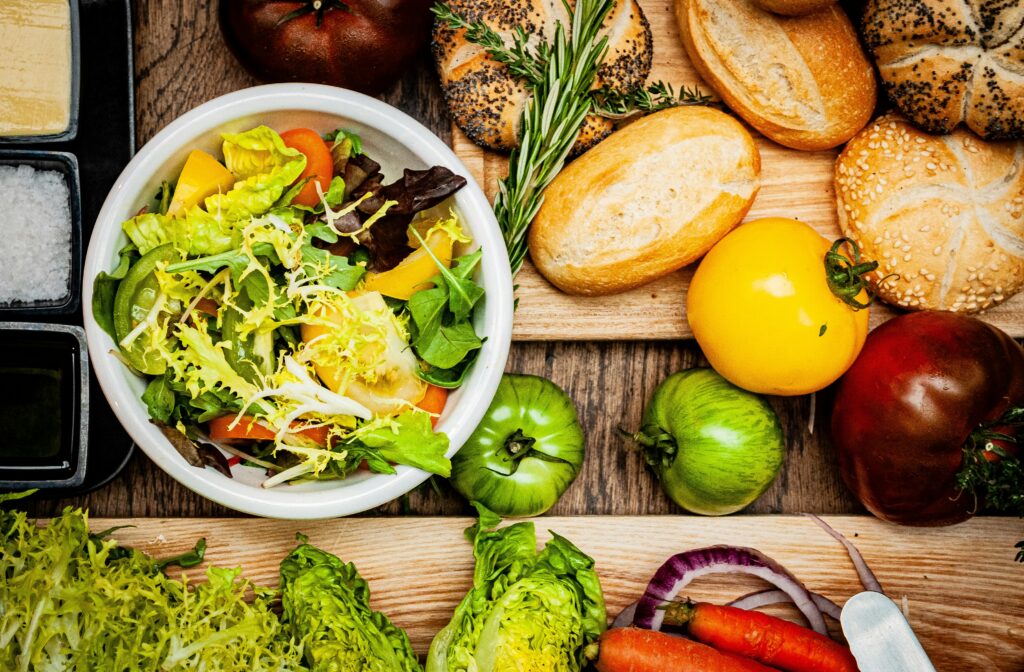
Fresh foods, including fruits, vegetables, lean proteins, and whole grains, offer a stark contrast to their processed counterparts by providing essential nutrients that support overall health. These foods are rich in fiber, which aids in digestion and helps regulate blood sugar levels, a crucial aspect for seniors managing diabetes. A diet rich in fresh produce can also promote heart health by lowering cholesterol and blood pressure levels.
In addition to their physical benefits, fresh foods can enhance mental health. A diet abundant in omega-3 fatty acids, found in fish and nuts, has been shown to improve cognitive function and reduce the risk of dementia. Incorporating a variety of colors and textures in meals can also make eating more enjoyable, encouraging seniors to adhere to a nutritious diet.
Furthermore, fresh foods contribute to a healthier lifestyle by supporting weight management. Unlike processed foods, which often contain empty calories, fresh foods provide the necessary energy without excess fats and sugars. This balance is vital for maintaining a healthy weight and preventing obesity-related complications in seniors.
Comparing Processed and Fresh Foods: Key Differences
When comparing processed and fresh foods, several key differences emerge that can guide seniors in their dietary decisions. Processed foods often boast longer shelf lives due to added preservatives, which can be convenient but at the cost of nutritional quality. In contrast, fresh foods require more frequent purchasing and preparation, yet they deliver superior health benefits.
The nutrient density of fresh foods is another critical factor. Fresh produce contains higher levels of essential vitamins and minerals compared to processed foods, which often lose these nutrients during manufacturing. A research article from the National Institutes of Health states that nutrient loss in processed foods can be as high as 50% depending on the food type and processing method.
Moreover, the greater satiety from fresh foods can help seniors manage their appetite and caloric intake more effectively. Eating fresh foods can lead to a more balanced diet that supports long-term health, whereas reliance on processed foods can contribute to nutritional deficiencies and health issues.
Making Informed Choices: Tips for Seniors on Food Selection
Seniors looking to optimize their diet should prioritize fresh foods while understanding the drawbacks of processed options. A practical tip is to conduct a Home Performance Audit of their kitchen to identify areas for improvement in food choices and storage. Seniors should aim to include a variety of colorful fruits and vegetables in their meals to ensure a wide range of nutrients.
Furthermore, utilizing a Work Order System can help seniors plan and organize their meals efficiently. By scheduling regular grocery trips and meal preparation times, seniors can maintain a stock of fresh produce and avoid the temptation of processed foods. Additionally, participating in a community-based Green Building Certification program that promotes healthy living can provide educational resources and support.
One of the most effective strategies is to educate oneself on Foods Seniors Should Avoid. Understanding which foods to limit or exclude from their diet can empower seniors to make healthier choices that enhance their quality of life.
Conclusion
Seniors should focus on incorporating fresh foods into their diets to ensure a balanced intake of essential nutrients. Processed foods, although convenient, carry health risks that can exacerbate existing conditions. By making informed choices and utilizing available resources, seniors can improve their health and well-being. A considered approach to diet is not just beneficial — it is vital for maintaining a high quality of life in the later years.
 Anne Rigginswavel is the kind of writer who genuinely cannot publish something without checking it twice. Maybe three times. They came to unique finds through years of hands-on work rather than theory, which means the things they writes about — Unique Finds, Trending Now in Retail, Smart Buying Guides, among other areas — are things they has actually tested, questioned, and revised opinions on more than once.
That shows in the work. Anne's pieces tend to go a level deeper than most. Not in a way that becomes unreadable, but in a way that makes you realize you'd been missing something important. They has a habit of finding the detail that everybody else glosses over and making it the center of the story — which sounds simple, but takes a rare combination of curiosity and patience to pull off consistently. The writing never feels rushed. It feels like someone who sat with the subject long enough to actually understand it.
Outside of specific topics, what Anne cares about most is whether the reader walks away with something useful. Not impressed. Not entertained. Useful. That's a harder bar to clear than it sounds, and they clears it more often than not — which is why readers tend to remember Anne's articles long after they've forgotten the headline.
Anne Rigginswavel is the kind of writer who genuinely cannot publish something without checking it twice. Maybe three times. They came to unique finds through years of hands-on work rather than theory, which means the things they writes about — Unique Finds, Trending Now in Retail, Smart Buying Guides, among other areas — are things they has actually tested, questioned, and revised opinions on more than once.
That shows in the work. Anne's pieces tend to go a level deeper than most. Not in a way that becomes unreadable, but in a way that makes you realize you'd been missing something important. They has a habit of finding the detail that everybody else glosses over and making it the center of the story — which sounds simple, but takes a rare combination of curiosity and patience to pull off consistently. The writing never feels rushed. It feels like someone who sat with the subject long enough to actually understand it.
Outside of specific topics, what Anne cares about most is whether the reader walks away with something useful. Not impressed. Not entertained. Useful. That's a harder bar to clear than it sounds, and they clears it more often than not — which is why readers tend to remember Anne's articles long after they've forgotten the headline.