
Pop-up shops are everywhere right now—from curated streetwear drops to immersive beauty experiences—and brands that get them right are seeing serious returns. If you’re searching for a clear, actionable pop-up shop marketing strategy, you’re likely looking for more than buzz. You want practical ways to attract foot traffic, create shareable moments, and turn short-term retail space into long-term customer loyalty.
This article breaks down exactly how to plan, promote, and optimize a pop-up so it stands out in today’s competitive retail landscape. We’ll cover location selection, pre-launch hype, in-store experience design, influencer tie-ins, and post-event follow-up tactics that drive repeat sales.
Our insights are grounded in current retail shopping trends, real-world brand activations, and proven consumer buying behaviors. By the end, you’ll have a focused roadmap to launch a pop-up that doesn’t just open doors—but leaves a lasting impression.
The Pop-Up Playbook: Driving Foot Traffic to Your Temporary Store
A pop-up shop lives on urgency. LIMITED TIME means LIMITED MARGIN FOR ERROR. The upside? When executed well, you get fast brand awareness, rapid sales spikes, and priceless customer data in days—not months.
A smart pop-up shop marketing strategy builds buzz before doors open and keeps momentum alive until closing day. Think teaser campaigns, geo-targeted ads, and influencer previews (yes, the “soft launch” matters).
What’s in it for you?
• Faster cash flow and real-time product validation
• Stronger local brand loyalty that outlasts the lease
Do it right, and your short-term store creates long-term demand.
Phase 1: Building Hype Before You Open the Doors
Before the doors swing open, the buzz should already feel electric (think Taylor Swift ticket-drop chaos, but localized). First, start with digital teaser campaigns. Use Instagram and TikTok to post behind-the-scenes clips, product close-ups, and countdown stickers. These platforms reward anticipation—short-form videos with cliffhanger reveals often see higher engagement, according to HubSpot’s 2024 social media trends report. Add location-specific hashtags so your content lands in nearby feeds. After all, virality is fun, but foot traffic pays the bills.
Next, tap into local influencer and community partnerships. Micro-influencers—typically creators with 10,000 to 50,000 followers—tend to generate higher engagement rates than mega influencers (Influencer Marketing Hub, 2023). Invite them for a pre-opening tour or let them preview exclusive items. Their followers trust them the way we trusted Rotten Tomatoes before streaming a new series (well, most of the time).
Meanwhile, don’t overlook your existing audience. Email and SMS subscribers are your VIP list. Offer early access or a first-day discount to guarantee an opening crowd. Scarcity works—Cialdini’s principles of persuasion highlight exclusivity as a proven motivator.
Finally, run geo-targeted digital ads within a tight radius of your location. Platforms like Facebook and Instagram allow hyper-local targeting based on interests and proximity. When layered together, these tactics form a cohesive pop-up shop marketing strategy that builds awareness, fuels curiosity, and turns online hype into real-world momentum.
Phase 2: Creating an Unforgettable Launch & In-Store Experience
The Grand Opening Event
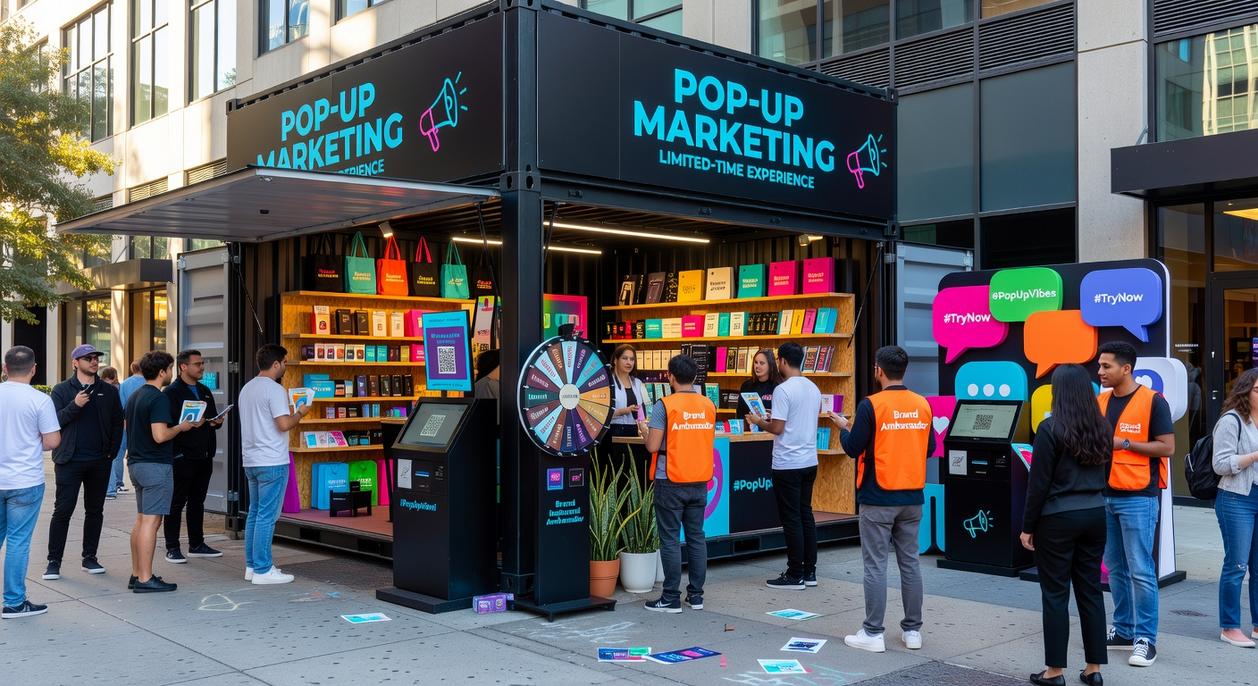
First impressions matter—especially in retail. Your grand opening should feel less like a soft launch and more like a movie premiere. Think Barbie pink-carpet energy or an Apple product drop where people line up just to say they were there. Offer a door-crasher special for the first 50 customers (a limited, first-come deal designed to spark urgency), bring in a live DJ, or serve complimentary local snacks and drinks.
The goal is simple: create buzz that spills onto the sidewalk. When passersby see a crowd, music, and excitement, curiosity does the rest (nobody wants to miss the party). As part of your broader pop-up shop marketing strategy, this moment sets the tone for everything that follows.
Create “Instagrammable” Moments
Next, design a space people can’t resist photographing. An Instagrammable moment is a visually striking setup created specifically for social sharing. This could be a neon quote wall, a bold art installation, or a mirror with a catchy phrase worthy of a TikTok transition. Encourage shoppers to tag your unique hashtag—suddenly, your customers become your marketing team.
After all, according to a 2023 Stackla consumer report, 79% of people say user-generated content highly impacts purchasing decisions. In other words, if it’s not posted, did it even happen?
Offer Pop-Up Exclusive Products
At the same time, give customers a reason to act now. Limited-edition items—products available only at that location and only for a short window—create scarcity. And scarcity drives action (just ask anyone who’s tried to snag concert tickets during presale). If shoppers assume they can “buy it later,” many won’t.
In-Store Workshops & Collaborations
Finally, collaborate. Host a mini styling session, DIY workshop, or artist meet-and-greet with a complementary local brand. Not only does this cross-pollinate audiences, but it also reflects the experiential focus highlighted in the top retail industry trends shaping consumer behavior in 2026. Retail isn’t just shopping anymore—it’s showtime.
Phase 3: Maintaining Momentum Until Closing Day
After the first week of launch buzz fades (and it always does), the real work begins. Momentum isn’t automatic—you have to manufacture it. That’s where daily deals and themed days come in. For example, a “2-for-1 Tuesday” midway through your run can spike foot traffic during slower periods, while a weekend theme—like a throwback sale or limited-edition drop—gives customers a reason to return. Back in 2019, several short-term retail activations reported double-digit sales lifts simply by rotating daily promos instead of running one static discount (National Retail Federation).
Meanwhile, guerrilla marketing keeps energy high without draining your budget. Clean graffiti using water-repellent stencils after a rainy afternoon can turn sidewalks into subtle billboards. Branded coasters at nearby cafés or eye-catching flyers on community boards work because they meet people where they already are. (Think less Times Square, more neighborhood block party.) Pro tip: refresh designs every two weeks so locals don’t mentally tune them out.
In addition, cross-promotion builds credibility fast. Partner with a nearby coffee shop or bookstore—offer a small discount for customers who show a same-day receipt. These collaborations often take just days to arrange but can drive weeks of reciprocal traffic.
Finally, during your last seven days, shift into “Last Chance” mode. Use countdown posts, email reminders, and a final flash sale to create urgency. Scarcity drives action—behavioral studies show limited-time framing increases purchase intent (Cialdini, Influence). A well-timed push ensures your pop-up shop marketing strategy ends strong rather than quietly fading out.
Turning Temporary Buzz into Lasting Brand Value
Everyone says pop-ups are all about urgency. I disagree. Urgency without follow-through is just noise. The real win isn’t the launch-day line; it’s what happens after the lights go down.
Yes, scarcity drives traffic. But a smart pop-up shop marketing strategy builds continuity, not just hype. Think of it like a movie trailer—great trailers sell tickets, but franchises build fandoms.
• Capture emails at checkout (offer a small perk).
• Tease future drops before closing day.
The goal? Turn impulse visitors into loyal subscribers. Temporary space, lasting relationship. That’s the metric that actually matters.
Make Your Next Launch Impossible to Ignore
You came here looking for a smarter way to stand out in a crowded retail space—and now you have it. From choosing the right location and creating urgency-driven promotions to leveraging social buzz and in-person experiences, you’ve seen how a well-executed pop-up shop marketing strategy can turn limited-time presence into long-term brand momentum.
The real pain point isn’t just foot traffic—it’s attention. In today’s retail world, brands don’t struggle because they lack products. They struggle because they fail to create moments people care about. A focused, high-impact pop-up approach solves that by generating excitement, exclusivity, and immediate action.
Now it’s your move.
Start mapping out your next pop-up with clear goals, a defined audience, and a promotion plan that builds anticipation weeks before launch. Test bold visuals. Create share-worthy experiences. Capture customer data so the momentum doesn’t end when the doors close.
Brands that consistently execute strategic pop-ups see stronger engagement, faster sell-through, and deeper customer loyalty. If you’re ready to stop blending in and start selling out, put these strategies into action today and turn your next pop-up into your most profitable retail moment yet.