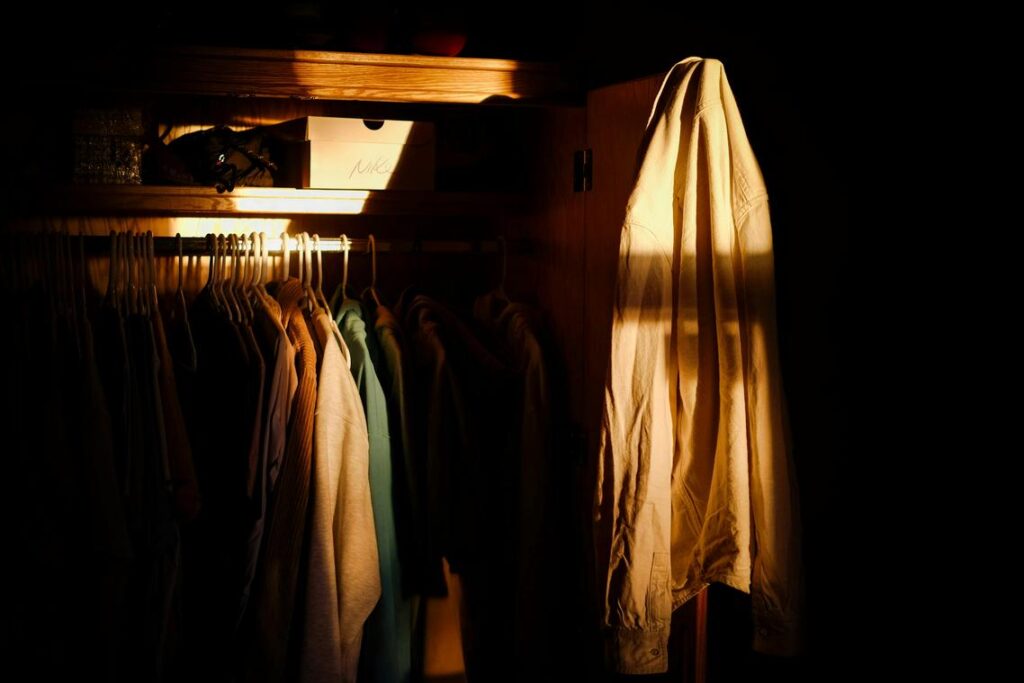
Retail trends move fast—but the smartest shoppers know it’s not about chasing every new drop. It’s about understanding what’s worth your money and why. If you’re here, you’re likely looking for clarity: what’s trending right now, which pieces are truly must-haves, and how to shop in a way that feels both stylish and intentional.
This article breaks down the latest shifts shaping consumer choices, from the rise of the minimalist fashion movement to standout products redefining everyday essentials. We’ve analyzed current buying patterns, reviewed top-rated picks, and studied emerging style signals to highlight what’s genuinely gaining traction—and what’s just hype.
Whether you’re refreshing your wardrobe, upgrading your daily staples, or searching for unique finds that balance quality and value, you’ll find practical insights and smart buying guidance here. Our goal is simple: help you shop confidently, choose intentionally, and stay ahead of the trends that actually matter.
What is Essentialist Fashion? Defining the “Less, But Better” Philosophy”
Essentialist fashion is often confused with owning as little as possible. However, that’s not quite right. Essentialism is the practice of intentionally curating a wardrobe made up of the right pieces—items you love, wear often, and would replace without hesitation if lost (yes, it’s that simple).
At its core, the philosophy rests on three pillars. First, high quality over high quantity—investing in garments that last, both structurally and stylistically. According to the Ellen MacArthur Foundation, extending clothing life by just nine months can reduce carbon, water, and waste footprints by 20–30%. Second, timeless design over fleeting trends—think a perfectly tailored blazer or a classic trench coat. Third, personal significance over brand hype—because confidence isn’t stitched into a logo.
Now, some argue this is just the minimalist fashion movement repackaged. I disagree. Minimalism can be an aesthetic—neutral palettes, clean lines. Essentialism, by contrast, is functional. It’s about intention. A silk blouse you wear weekly beats five trendy tops worn once.
In fact, even the athleisure evolution from gym wear to daily staple proves that pieces earn “essential” status through versatility. Ultimately, essentialism isn’t about less for the sake of less—it’s about better, on purpose.
Why This Trend is Dominating: The Appeal of a Curated Closet

The Backlash to Fast Fashion
Consumers are burned out on flimsy fabrics, shrinking hemlines, and trends that expire faster than last week’s meme. Fast fashion—mass-produced, low-cost clothing designed for rapid turnover—has created closets full of “nothing to wear.” The benefit of a curated closet is simple: fewer pieces, better quality, zero chaos. Instead of chasing micro-trends (remember the sudden obsession with neon bike shorts?), you build a wardrobe that actually works for your life.
Psychological Benefits
Decision fatigue—the mental drain caused by too many choices—is real (the American Medical Association has discussed its cognitive impact). When every item in your closet coordinates, mornings become effortless. You save time, reduce stress, and project confidence because everything fits your style and values. Think of it as your own low-key superhero uniform—minus the cape.
Economic Smarts
High-quality staples may cost more upfront, but they last longer and cost less per wear. That’s value. Instead of replacing $20 tops every season, you invest in one $120 piece that endures for years.
| Approach | Short-Term Cost | Long-Term Value | Closet Clarity |
|———–|—————-|—————-|—————-|
| Fast Fashion | Low | Low | Cluttered |
| Curated Closet | Higher | High | Streamlined |
Sustainability Angle
Buying less and choosing well supports conscious consumerism—purchasing with environmental and ethical impact in mind. The minimalist fashion movement embraces durability and longevity, reducing landfill waste (the EPA reports over 11 million tons of textile waste annually in the U.S.).
What’s in it for you? More money saved, less stress, stronger personal style, and a lighter footprint on the planet. That’s a trend worth keeping.
How to Build Your Essentialist Wardrobe: The 5 Foundational Pieces
Building an essentialist wardrobe isn’t about owning less just to brag about it. It’s about owning better. Think quality over quantity (Marie Kondo would approve).
The Perfect White Shirt
Look for breathable fabrics like cotton poplin (a smooth, tightly woven cotton) or silk for a softer drape. Aim for a relaxed but structured fit—tailored enough for meetings, loose enough for brunch. It should work with jeans, suits, or layered under a sweater. If it wrinkles the second you blink, keep shopping.
Tailored Trousers
Neutral colors—black, navy, beige—are your anchors. “Tailored” means shaped to follow your frame without pulling or sagging. A great pair can handle job interviews and dinner dates back-to-back (no costume change required). Pro tip: a slight ankle crop shows intention, not accident.
The Timeless Outerwear
A trench coat or wool overcoat instantly elevates everything. Throw one over a hoodie and suddenly you’re the protagonist in a fall rom-com. Wool’s natural insulation is well documented (The Woolmark Company), making it both stylish and practical.
The Elevated Knit
Cashmere (ultra-fine goat fiber) or merino wool regulates temperature and resists odor, according to the Australian Wool Innovation group. Translation: fewer washes, more wears. Layer it year-round.
The Go-To Footwear
Choose simple leather loafers or clean white sneakers. They ground the entire look—literally and philosophically.
Critics of the minimalist fashion movement argue it’s restrictive. But fewer, better pieces reduce decision fatigue (a concept popularized by psychologist Roy Baumeister). Less chaos, more style. And honestly, your closet deserves a break.
Start with an anecdote about clearing a closet that felt like visual noise. I once pulled everything out and realized only my black blazer, white tee, navy trousers, grey knit, and beige coat truly worked together. That’s the neutral base—a tight core palette that maximizes interchangeability and reduces decision fatigue (yes, outfit paralysis is real).
Then, gradually, I introduced accent colors—olive green scarf, burgundy loafers—to express personality without clutter. Think of them as supporting actors, not scene-stealers.
Finally, texture changes everything. Silk with wool, leather with denim—suddenly an all-neutral look feels intentional, not flat, echoing the minimalist fashion movement today.
Embracing What Truly Matters in Style
You came here looking for clarity on how to navigate today’s evolving fashion landscape—and now you have it. The rise of the minimalist fashion movement isn’t just another passing trend; it’s a response to closet overwhelm, impulse buying, and styles that fade as quickly as they appear.
If you’ve ever felt frustrated by a wardrobe full of clothes but “nothing to wear,” you’re not alone. That pain point is exactly why more shoppers are choosing fewer, better pieces that deliver versatility, confidence, and long-term value.
Now it’s your move. Audit your closet. Identify the pieces you actually wear. Invest in timeless staples that mix effortlessly and elevate your everyday look.
If you’re ready to stop wasting money on fast trends and start building a wardrobe that works for you, explore our expertly curated buying guides and top-rated picks trusted by thousands of smart shoppers. Discover better pieces, make smarter choices, and redefine your style with intention today.