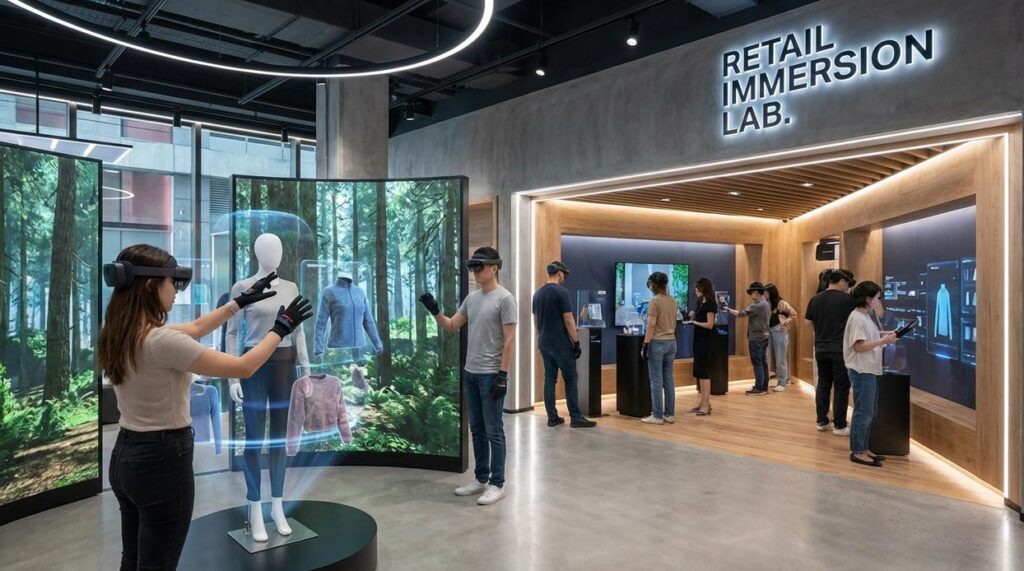
Shopping isn’t just about buying things anymore—it’s about how those purchases make you feel. If you’re curious about the rise of the experiential shopping movement and what it means for the way you discover, evaluate, and invest in products, you’re in the right place. Today’s consumers are drawn to immersive retail spaces, interactive product demos, limited-edition drops, and curated in-store moments that turn simple transactions into memorable experiences.
This article explores how the experiential shopping movement is reshaping retail trends, influencing must-have picks, and changing what shoppers expect from brands. We break down what’s driving this shift, highlight standout examples, and share smart insights to help you shop with intention.
Our analysis draws on current retail data, consumer behavior research, and firsthand trend tracking across digital and in-store environments—so you can trust that what you’re reading reflects what’s actually happening in today’s fast-moving retail landscape.
Beyond the Aisle: Why Shopping is Becoming an Adventure
Once, shopping meant grabbing what you needed and heading home. However, as e-commerce delivers speed and convenience, stores must offer more than shelves and checkout lines. That is where immersive retail steps in. It transforms routine errands into experiences built on discovery, entertainment, and connection. In other words, the experiential shopping movement turns stores into stages rather than stockrooms.
What is in it for you? Memorable outings, hands-on product trials, and social moments you cannot stream online. This guide explains what it means, why it matters, and which elements create magic.
What is an Immersive Experience? Defining the New Retail
An immersive retail experience goes beyond shelves and salespeople. At its core, it uses sensory design, technology, and storytelling to build a cohesive brand world customers can physically step into. Think lighting that shifts with mood, curated soundtracks, interactive displays, even scent marketing (yes, that subtle vanilla note is intentional). It’s not just shopping—it’s atmosphere as strategy.
Now, some argue this is just “good store design” dressed up in buzzwords. I disagree. A clean layout and friendly staff are table stakes. Immersion is about narrative. It’s the difference between walking into a store and walking into a story. Apple’s minimalist temples to tech or Nike’s customization studios aren’t random—they’re chapters in a brand plotline.
Why does this matter? Because physical retail has to compete with one-click convenience. The experiential shopping movement exists for a reason:
- Longer dwell time often correlates with higher spending (Harvard Business Review notes engaged customers buy more).
- Stronger emotional ties build brand loyalty.
- Instagrammable moments generate organic buzz.
Critics say spectacle distracts from product quality. Fair. But when done right, the experience elevates the product. The goal isn’t gimmicks—it’s making the shopping journey itself as valuable as what’s in the bag. (And honestly, that’s what gets people off their couches.)
The Blueprint for Immersion: Key Elements of an Engaging Store
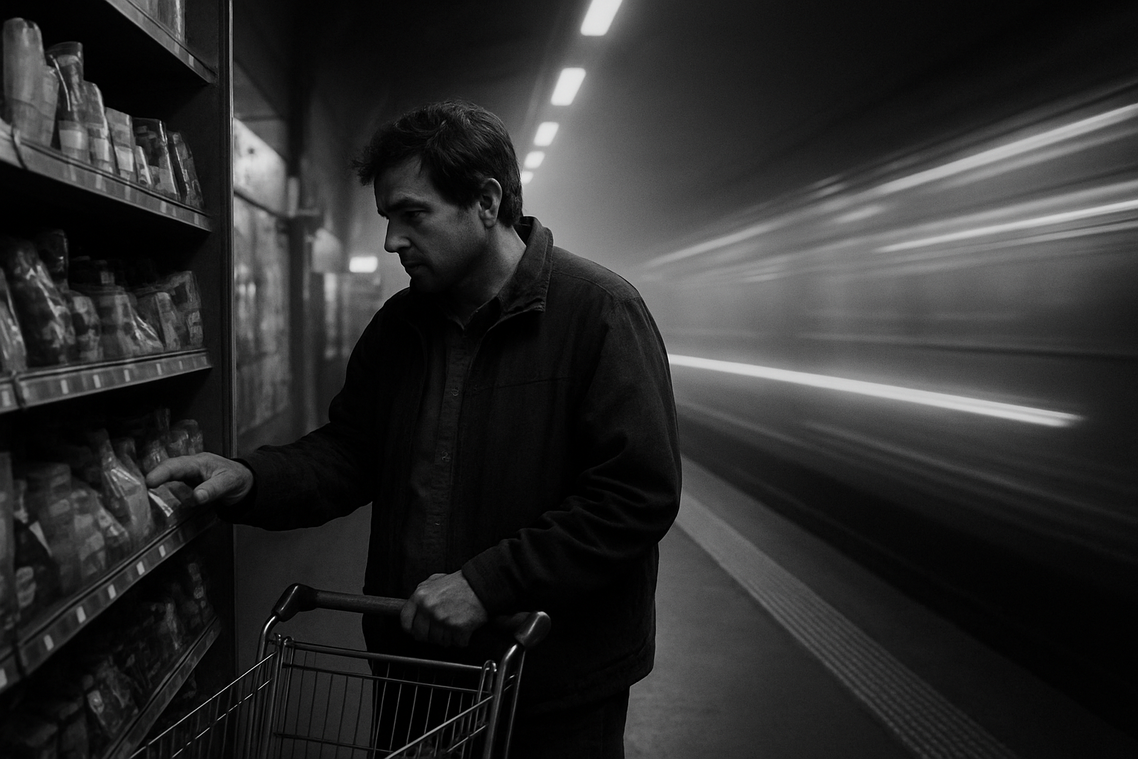
Modern retail isn’t just about transactions; it’s about transformation. If you want customers to stay longer—and spend more—you need to design for immersion, not convenience alone.
Sensory Engagement
Start with the senses. Olfactory branding (a signature scent that reinforces brand identity) has been shown to increase dwell time and brand recall (Journal of Retailing, 2014). Think of how certain hotel lobbies smell instantly recognizable. Retail can do the same.
Layer in strategic soundscapes. A slower tempo can encourage browsing, while upbeat playlists create urgency (Journal of Marketing, 1982). Add tactile materials—velvet seating, raw wood tables, textured packaging—because touch increases perceived ownership (Psychological Science, 2008). Dramatic lighting, from warm spotlights to LED accents, builds mood and directs attention.
Recommendation: Choose one primary sensory anchor (scent, sound, or lighting) and build around it. Too many inputs feel chaotic (like walking into a theme park you didn’t sign up for).
Interactive Technology
Augmented reality (AR) try-on mirrors reduce purchase hesitation by visualizing products in real time. Interactive displays and QR codes that unlock content extend the in-store journey digitally. Personalized kiosks can recommend products based on preferences—an extension of what’s explored in the rise of ai powered personalization in retail.
Some critics argue technology disrupts human connection. That’s fair. Overuse can make stores feel like gadget showrooms. The key is balance: tech should assist staff, not replace them.
Pro tip: Place AR mirrors near bestsellers to boost conversion, not hidden in corners.
Retailtainment and Community
Retailtainment blends retail with entertainment—events, workshops, personalization bars, even cafés. These spaces foster community and reflect the experiential shopping movement. Workshops and customization stations increase emotional investment (Harvard Business Review, 2020).
If someone says events are expensive, they’re not wrong. But small-scale gatherings—styling demos, product launches, member previews—deliver outsized loyalty.
Storytelling Through Design
Your layout should guide customers like chapters in a book. Use fixtures and visual merchandising to highlight hero products and create “Instagrammable moments.” When shoppers share, they market for you (and for free).
Design with intention. Invite discovery. And remember: immersive stores aren’t louder—they’re smarter.
In-Store Innovators: Brands That Are Redefining the Shopping Trip
Retail isn’t dying—it’s evolving. And if you’ve stepped into certain standout stores lately, you’ve probably felt it. The experiential shopping movement (a retail strategy focused on creating memorable, interactive in-store moments) is transforming errands into events.
First, consider lifestyle brands like Gentle Monster. Their appointment-based styling sessions turn browsing into a curated experience, while in-store cafés and rotating art installations make the space feel more like a gallery than a shop. Community events—think panel talks or limited-edition drops—build belonging, not just basket size. The most effective immersive element here? Scarcity paired with personalization. Customers don’t just buy eyewear; they book time, claim space, and join a scene (very “SoHo House,” but for sunglasses).
Meanwhile, home improvement giants like IKEA and Lowe’s lean into hands-on discovery. Life-sized room vignettes help shoppers visualize scale and layout—critical because spatial reasoning (our ability to understand how objects fit in space) isn’t intuitive for everyone. Add DIY workshops and live demo zones, and suddenly hesitation turns into confidence. Pro tip: attending a workshop often unlocks exclusive discounts or early product access. Their strongest asset? Practical immersion—showing, not telling.
Then there’s beauty. Sephora’s AR try-ons and personalization labs remove guesswork, while masterclasses offer expert validation. Augmented reality (AR) overlays digital images onto real environments, letting you “test” bold lipstick without commitment. The tech works because it answers a core shopper question: Will this actually suit me?
So what’s next? Expect more hybrid models—retail spaces doubling as classrooms, cafés, and content studios. The future shopper won’t just ask, “What should I buy?” but “What experience comes with it?”
Shopping used to be a checklist. Now, it’s a destination.
At its core, the future of brick-and-mortar retail hinges on immersive experiences, not simple transactions. According to PwC, 73% of consumers say experience shapes purchasing decisions, clear evidence the experiential shopping movement is real. Meanwhile, dull aisles are fading.
Stores that add interactive displays and live events see higher foot traffic and longer visits. So, expect more from every trip. Choose places that surprise, delight, and invite you to stay.
As retail blends with entertainment, you’ll leave with more than a product in a bag and memories that last longer.
Ready to Shop Smarter and Experience More
You came here looking for smarter ways to shop, fresher trends to follow, and meaningful finds that actually add value to your life. Now you have the insights to navigate today’s retail landscape with confidence — from trend-driven picks to intentional purchases that truly stand out.
The biggest frustration shoppers face today is wasting money on overhyped products that don’t deliver. In a world shaped by the experiential shopping movement, it’s not just about buying more — it’s about buying better, discovering unique pieces, and making every purchase feel worthwhile.
Now it’s your move. Start exploring curated buying guides, trend spotlights, and must-have finds designed to help you shop smarter and avoid regret. Thousands of savvy shoppers already rely on these insights to cut through the noise and choose with confidence.
Don’t settle for impulse buys and endless scrolling. Dive into the latest picks, discover what’s truly worth it, and make your next purchase your smartest one yet.