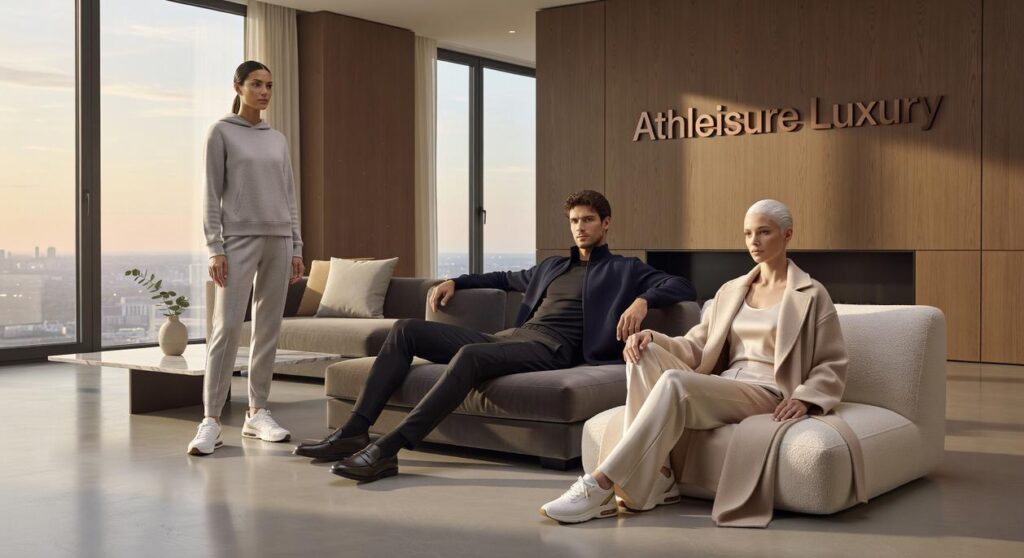
Athleisure isn’t just a passing trend—it’s a reflection of how modern consumers want to live, move, and express themselves. If you’re searching for insight into the athleisure fashion evolution, you’re likely trying to understand how performance wear became an everyday wardrobe essential—and what that means for your next purchase.
This article breaks down how athleisure shifted from gym-exclusive apparel to a dominant force in retail shopping, highlighting the key style shifts, consumer preferences, and must-have pieces shaping today’s market. We’ll explore what’s driving demand, how brands are responding, and which trends are worth investing in right now.
Our insights are grounded in ongoing analysis of retail trends, product performance, and emerging consumer buying patterns. By connecting style movements with smart purchasing guidance, this guide helps you stay ahead of the curve—so you can shop confidently, stylishly, and strategically.
From Track Star to Street Style
Sneakers once reserved for the court now headline runway shows. Back in the 1980s, hoodies signaled off-duty athletes; by the 2010s, they sat front row at Fashion Week. This wasn’t random. Rather, it was a slow-burn shift driven by innovation and culture.
Over decades, the athleisure fashion evolution blended performance tech with everyday polish. Consider the milestones:
- 1970s: Branded trainers go mainstream
- 1990s: Hip-hop elevates tracksuits
- 2016 onward: Luxury labels embrace joggers
Critics argue comfort dilutes elegance. Yet, as remote work reshaped wardrobes in 2020, ease became essential (and stylish). Ultimately, function and flair learned to coexist.
The Genesis: Function-First Apparel (1920s–1970s)
Long before runway collaborations and sneaker resale apps, athletic wear had a single job: performance. In the 1920s, René Lacoste redesigned the stiff tennis uniform into a breathable cotton piqué polo—lightweight, short-sleeved, and built for movement. Converse followed a similar logic with the Chuck Taylor All Star, adding ankle support and flexible rubber soles to help basketball players pivot faster. These weren’t “fits.” They were tools.
The First Crossover
By the 1960s and 70s, the tracksuit changed the equation. Originally engineered to keep muscles warm before competition (a practical necessity to prevent strain, according to sports medicine research), it slipped off the track and into daily life. Some argue this shift was accidental—athletes simply wore what was comfortable. But that overlooks a key insight: postwar leisure culture was expanding, and people wanted clothing that matched freer lifestyles. The tracksuit became shorthand for off-duty ease (think early hip-hop crews or European football culture).
- Pro tip: Vintage tracksuits with original cotton blends often outlast modern synthetics.
On college campuses, letterman jackets and varsity sweaters marked belonging. What competitors miss is how youth culture—not designers—sparked the first wave of athleisure fashion evolution. Students transformed symbols of athletic achievement into everyday identity statements, setting the blueprint for everything that followed.
The Boom Years: Hip-Hop, Sneaker Culture, and 80s Aerobics
The 1980s didn’t just change music and movies—it rewired closets everywhere.
The Sneaker Revolution began when Nike signed Michael Jordan in 1984 and launched the Air Jordan 1. The NBA famously fined him for wearing the black-and-red pair, which only fueled demand (nothing sells like a little rebellion). Around the same time, Run-DMC dropped “My Adidas” and wore Superstar sneakers without laces, turning footwear into a badge of identity. A collectible is an item valued beyond its function—think mint-condition Jordans displayed like comic books in protective cases. Sneakers became status symbols, signaling taste, tribe, and sometimes resale savvy.
Hip-Hop’s Influence pushed sportswear from the gym to the street. Breakdancers needed flexible gear, so tracksuits from Adidas and Puma became everyday uniforms. Kangol hats, oversized logos, and gold chains completed the look. Watch early episodes of Yo! MTV Raps and you’ll see the blueprint. This wasn’t just fashion—it was cultural signaling (before Instagram made it global in seconds). Street style blurred performance and personal branding long before influencers existed.
The Fitness Craze added another layer. Jane Fonda’s workout tapes made leggings, high-cut leotards, and leg warmers mainstream. Form-fitting activewear—once reserved for dance studios—became casual wear for errands and mall trips. Bold neon colors and stretchy fabrics normalized comfort without sacrificing flair. Pro tip: performance fabrics from this era paved the way for moisture-wicking technology now standard in premium activewear.
Together, these movements sparked the athleisure fashion evolution, where sport, music, and pop culture fused—and never really untangled.
The Rise of Athleisure: Comfort Becomes the New Luxury

Athleisure—a blend of “athletic” and “leisure”—emerged in the late 1990s and early 2000s to describe clothing intentionally designed for both workouts and everyday life. Unlike basic gym wear, athleisure pieces were engineered with performance fabrics but styled for brunch, errands, and even casual offices. This wasn’t an accident; it was a strategic pivot as brands realized consumers wanted versatility (and fewer outfit changes per day).
The Yoga Pant Phenomenon
If there’s a single garment that defines the athleisure fashion evolution, it’s the yoga pant. Lululemon, founded in 1998, transformed stretchy black pants into a cultural staple by focusing on technical fabrics like Luon and body-contouring seams. According to market analyses by Grand View Research, the global athleisure market has seen consistent growth, driven largely by demand for multifunctional apparel.
But here’s the contrarian take: yoga pants didn’t “elevate” comfort—they normalized minimal effort dressing. Yes, the fit was flattering. Yes, the fabric was premium. Yet the hype often overshadowed the fact that we collectively decided leggings were a complete outfit (Carrie Bradshaw might have opinions).
Designer Collaborations Blur the Lines
High-fashion partnerships—Stella McCartney for Adidas, Riccardo Tisci for Nike—further legitimized athletic wear. These collaborations merged runway aesthetics with performance technology, challenging the idea that luxury requires discomfort.
Some critics argue that true luxury should be rare and structured, not stretchy and ubiquitous. Fair point. But today, exclusivity often lies in design innovation, not stiffness. For more on shifting style norms, explore bold color comebacks in modern wardrobes.
Comfort isn’t laziness. It’s a redefinition of status—one zip-up hoodie at a time.
Today’s Uniform: Tech Fabrics and Minimalist Silhouettes
Performance in daily life now means chinos with stretch, moisture-wicking button-downs, and breathable blazers that move with you (yes, even on a red-eye). Technical fabrics—materials engineered for airflow, temperature control, and flexibility—aren’t just for the gym. The athleisure fashion evolution made that shift inevitable.
THE MODERN ROTATION:
- Choose neutral, minimalist sneakers from brands like Common Projects, Veja, or Allbirds; pair with jeans or a suit.
- Swap stiff trousers for tailored joggers in structured knits.
- Layer a hoodie under a sharp coat for NEW SMART CASUAL confidence.
Pro tip: go monochrome.
Bringing It All Together
To recap, sportswear began as purely functional gear designed for performance, not polish. Over time, designers refined fabrics, cuts, and silhouettes, turning gym staples into everyday essentials. That shift is often called the athleisure fashion evolution, meaning the blend of athletic function with casual style. In simple terms, it is comfort meeting clean design. However, mastering it requires intention. Start by investing in one or two high-quality anchor pieces, such as minimalist sneakers or a structured hoodie, to instantly elevate the rest of your wardrobe. Quality materials ensure durability, versatility, and long-term value. Choose wisely always.
Where Style Meets Everyday Performance
You came here to understand how trends are shaping the way comfort and style intersect—and now you have a clear view of the athleisure fashion evolution redefining modern wardrobes. From performance-driven fabrics to street-ready silhouettes, you’ve seen how this movement solves the daily struggle of choosing between looking polished and feeling comfortable.
The real pain point has always been balance. You want pieces that work at the gym, at brunch, and during a busy workday—without sacrificing quality or style. Now you know what to look for, what’s worth investing in, and how to avoid fast-fading trends.
Your next step? Upgrade intentionally. Explore curated picks, compare quality details, and choose versatile staples that deliver all-day comfort and standout style. Join thousands of smart shoppers who rely on our trend insights and buying guides to make confident purchases.
Don’t settle for outdated basics. Discover the latest must-have athleisure pieces today and build a wardrobe that works as hard as you do.