
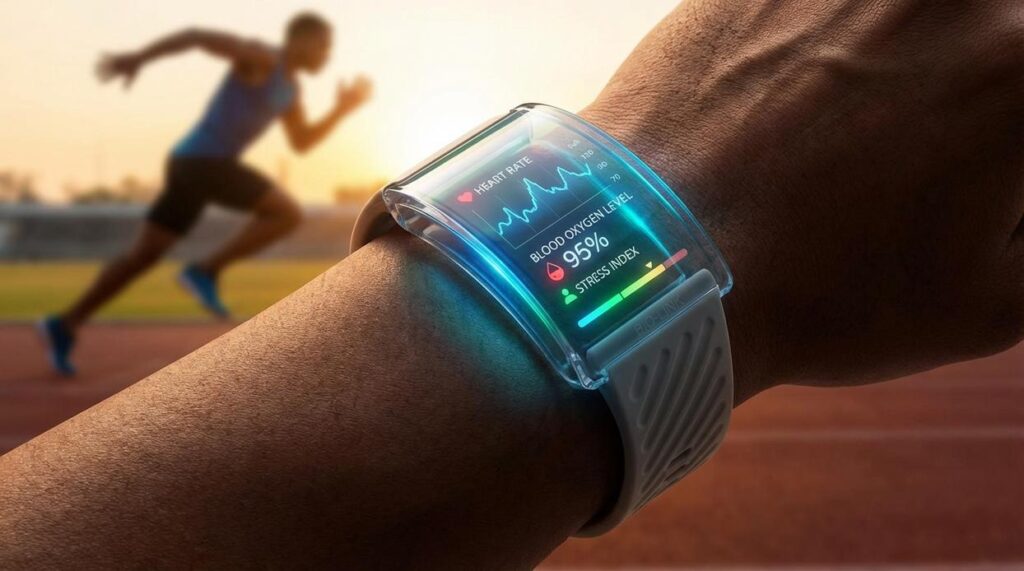
From smart home upgrades to pocket-sized productivity tools, daily life tech innovations are reshaping how we shop, organize, commute, and unwind. If you’re searching for the latest gadgets and practical breakthroughs that genuinely improve everyday routines—not just flashy trends—you’re in the right place. This article is designed to cut through the hype and spotlight consumer tech that delivers real value, whether you’re upgrading your workspace, streamlining household tasks, or discovering clever lifestyle enhancements.
We’ve analyzed current retail trends, reviewed emerging product data, and evaluated real-world performance to ensure the recommendations and insights you’ll find here are timely, relevant, and worth your attention. Instead of overwhelming you with endless options, we focus on standout innovations that combine smart design, functionality, and affordability.
By the end, you’ll have a clear understanding of which tech upgrades are truly worth adding to your daily routine—and how they can make modern living simpler, smarter, and more efficient.
Every week, a new gadget promises to change your life—and most of us feel overwhelmed. The real challenge isn’t access to technology; it’s separating practical tools from flashy gimmicks. This guide cuts through the noise, spotlighting daily life tech innovations that deliver MEASURABLE benefits. Think smart thermostats that learn schedules and cut energy bills, robot vacuums with LiDAR mapping for hands-free cleaning, and AI-powered planners that sync calendars in REAL TIME. Are they worth it? When features translate into saved hours, lower costs, and less stress, absolutely. Here’s what truly simplifies your routine today. Practical tech should feel effortless. Now.
The Truly Automated Home: Beyond Just Voice Commands
As we explore the latest tech innovations that simplify our daily routines, it’s fascinating to consider how these advancements are also influencing the retail sector, particularly in light of the upcoming dynamics highlighted in our piece on the ‘Top Retail Industry Trends Shaping Consumer Behavior in 2026‘.
For years, “smart home” meant barking commands at a speaker and hoping it listened. However, the real shift is toward proactive systems—homes that anticipate needs instead of waiting for instructions. That’s where true automation begins.
Adaptive Environments
First, consider lighting that aligns with your circadian rhythm (your body’s internal 24-hour clock). Brands like Philips Hue now offer bulbs that automatically shift from cool, energizing tones in the morning to warm, sleep-friendly hues at night. Research from Harvard Medical School shows that blue-enriched light during the day can boost alertness, while warmer tones in the evening support better sleep. Likewise, smart thermostats such as Google Nest learn your schedule within days, adjusting temperatures to cut energy use by up to 10–12% annually, according to Energy Star. The benefit? Lower bills and comfort without constant tinkering (because nobody wants to micromanage their HVAC).
Next-Generation Security
Meanwhile, AI-powered cameras have evolved. Using computer vision—technology that enables machines to interpret visual data—systems from brands like Arlo and Ring can distinguish between pets, packages, vehicles, and unfamiliar faces. Instead of endless motion alerts, you receive smarter notifications that matter. It’s less “crying wolf,” more genuine peace of mind.
The Unified Ecosystem
Finally, interoperability standards like Matter ensure devices from Apple, Google, and Amazon communicate seamlessly. In other words, your lights, locks, and speakers work together effortlessly. As daily life tech innovations mature, the truly automated home feels less like science fiction—and more like smart, stress-free living.
Wearable Tech That Listens to Your Body, Not Just Your Feet
Wearable tech used to mean one thing: step counts. If it didn’t buzz after 10,000 steps, was it even working? Today, wearables are less about your feet and more about your full-body feedback loop—a constant stream of health data translated into simple insights.
Proactive Wellness Tracking
Let’s clarify a few terms. Continuous Glucose Monitoring (CGM) is a non-invasive sensor system that tracks blood sugar levels throughout the day—no constant finger pricks required. Originally designed for people with diabetes, CGMs are now used by wellness enthusiasts to understand how food, stress, and sleep affect energy levels (Harvard Health, 2023).
Similarly, on-demand ECG (electrocardiogram) features let users check heart rhythm anytime, helping detect irregularities like atrial fibrillation (FDA-cleared in several smartwatches). Add blood oxygen saturation (SpO2) tracking—which measures how efficiently oxygen circulates in your blood—and you’ve got insights once limited to clinics. Think of it as turning your wrist into a mini diagnostic dashboard (minus the waiting room magazines).
The Science of Recovery
Recovery scores can sound mysterious, but they’re simply data-driven ratings based on sleep stages, heart rate variability (HRV), and activity levels. HRV measures the variation between heartbeats; higher variability often signals better recovery (Cleveland Clinic). Smart rings and advanced sleep trackers break down light, deep, and REM sleep, then suggest adjustments—earlier bedtimes, lighter late-night meals, fewer doomscrolling sessions.
Enhancing Your Senses
Beyond health, “hearables” and smart glasses are blending into daily life tech innovations. Real-time language translation, subtle audio notifications, even screen-free directions—these tools feel less intrusive and more intuitive (like tech that whispers instead of shouts).
As wearables evolve, they’re starting to resemble the kind of thoughtful upgrades you’d expect in limited edition releases worth discovering—smart, intentional, and built to enhance everyday life.
Reclaiming Your Time: The Tech-Powered Kitchen and Chore List
Between work, family, and the endless scroll of notifications, chores often feel like a second job. Fortunately, today’s daily life tech innovations are designed to give you those hours back.
The Smart Kitchen Assistant
First, consider smart ovens and multicookers. These appliances use built-in sensors—devices that detect temperature and moisture—to adjust cooking settings automatically. Guided cooking programs walk you through recipes step by step, removing the guesswork (and the panic-checking through the oven door). Some skeptics argue that this takes the “art” out of cooking. However, for busy households, consistency beats chaos. If dinner is evenly cooked without constant monitoring, that’s a win. Pro tip: Start with one versatile multicooker to replace several single-use appliances and save counter space.
Automated Upkeep
Meanwhile, robotic vacuums and mops have evolved dramatically. Advanced AI navigation—software that maps and learns your floor plan—helps them avoid obstacles and clean efficiently. Many now self-empty and self-clean, minimizing maintenance. While some worry they can’t match deep manual cleaning, they drastically reduce daily buildup, making weekend deep-cleans faster.
Streamlining Errands
Finally, smart fridges and AI-powered grocery apps track inventory, suggest recipes to cut food waste, and auto-generate shopping lists. Instead of guessing what’s missing, you shop with intention—and fewer forgotten items.
Seamless entertainment and effortless connectivity are becoming expectations, not luxuries. Smarter networks and devices quietly reshape our routines.
The Power of Wi-Fi 7
First, Wi-Fi 7 is next-generation wireless standard, meaning it moves data faster and efficiently than Wi-Fi 6. With wider channels and multi-link operation, it reduces latency—delay between action and response—so 4K streams, cloud gaming, and video calls run smoothly, even in homes filled with TVs, speakers, and cameras.
Ambient Computing
Meanwhile, ambient computing describes devices that communicate automatically. For example, car’s GPS signals thermostat to adjust before you arrive, blending daily life tech innovations into seamless experience.
Technology should work for you, not the other way around. The real challenge isn’t adding more apps, devices, or subscriptions; it’s choosing the right tools with features that directly reduce friction. Think smart thermostats with automated scheduling, password managers with end-to-end encryption, or task apps with cross-device sync. These daily life tech innovations shine when they fade into the background—saving minutes, lowering stress, and preserving mental energy.
What to look for:
- Clear purpose
- Seamless integration
- Measurable time savings
Tonight, identify one daily annoyance and test a solution designed to quietly solve it. Start small and stay intentional.
Stay Ahead with Smarter Shopping Choices
You came here looking for smarter ways to shop, sharper trend insights, and real-world picks that actually improve your routine. Now you have a clearer view of what’s trending, what’s worth your money, and how daily life tech innovations are reshaping the way we live and buy.
The truth is, keeping up with retail trends can feel overwhelming. New products launch daily. Prices fluctuate. Hype clouds judgment. Making the wrong purchase wastes both time and money — and no one wants that.
That’s why staying informed isn’t just helpful — it’s essential. When you follow curated buying guides, track emerging style shifts, and pay attention to practical product insights, you shop with confidence instead of guesswork.
Here’s your next move: Start applying what you’ve learned today. Compare smarter. Choose intentionally. Look for products that truly solve a problem in your routine instead of adding clutter.
If you want reliable trend updates, trusted picks, and practical insights that cut through the noise, keep exploring our latest guides and recommendations. We’re trusted by thousands of savvy shoppers who rely on us to spotlight what’s actually worth buying.
Don’t let trends pass you by — make your next purchase your smartest one yet.
 There is a specific skill involved in explaining something clearly — one that is completely separate from actually knowing the subject. Kylor Eldwain has both. They has spent years working with consumer style spotlights in a hands-on capacity, and an equal amount of time figuring out how to translate that experience into writing that people with different backgrounds can actually absorb and use.
Kylor tends to approach complex subjects — Consumer Style Spotlights, Shopping Trends and Must-Haves, Trending Now in Retail being good examples — by starting with what the reader already knows, then building outward from there rather than dropping them in the deep end. It sounds like a small thing. In practice it makes a significant difference in whether someone finishes the article or abandons it halfway through. They is also good at knowing when to stop — a surprisingly underrated skill. Some writers bury useful information under so many caveats and qualifications that the point disappears. Kylor knows where the point is and gets there without too many detours.
The practical effect of all this is that people who read Kylor's work tend to come away actually capable of doing something with it. Not just vaguely informed — actually capable. For a writer working in consumer style spotlights, that is probably the best possible outcome, and it's the standard Kylor holds they's own work to.
There is a specific skill involved in explaining something clearly — one that is completely separate from actually knowing the subject. Kylor Eldwain has both. They has spent years working with consumer style spotlights in a hands-on capacity, and an equal amount of time figuring out how to translate that experience into writing that people with different backgrounds can actually absorb and use.
Kylor tends to approach complex subjects — Consumer Style Spotlights, Shopping Trends and Must-Haves, Trending Now in Retail being good examples — by starting with what the reader already knows, then building outward from there rather than dropping them in the deep end. It sounds like a small thing. In practice it makes a significant difference in whether someone finishes the article or abandons it halfway through. They is also good at knowing when to stop — a surprisingly underrated skill. Some writers bury useful information under so many caveats and qualifications that the point disappears. Kylor knows where the point is and gets there without too many detours.
The practical effect of all this is that people who read Kylor's work tend to come away actually capable of doing something with it. Not just vaguely informed — actually capable. For a writer working in consumer style spotlights, that is probably the best possible outcome, and it's the standard Kylor holds they's own work to.