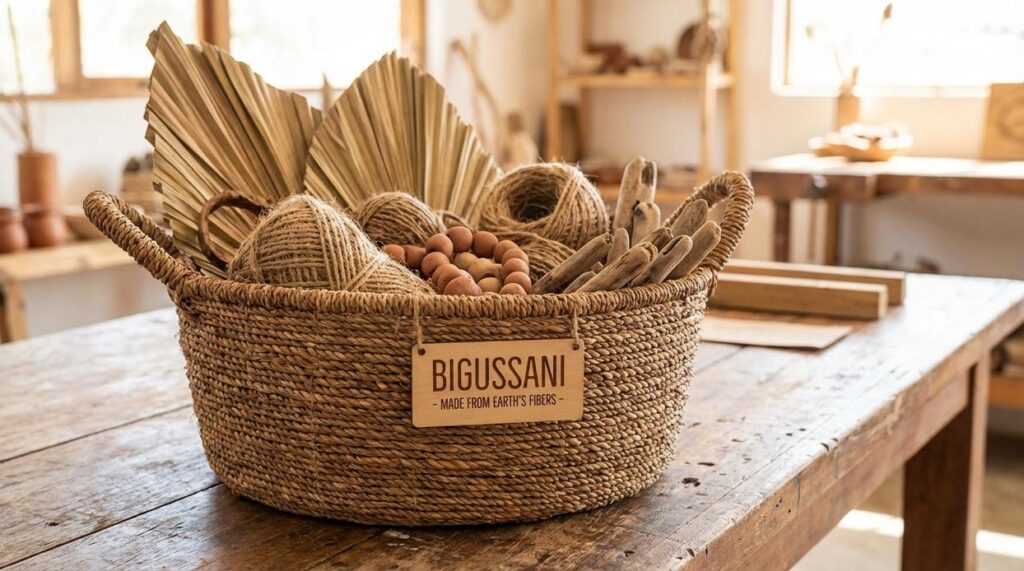
I get asked all the time what it means when something is “Bigussani made.”
Let me clear this up right now. We don’t manufacture anything. We curate.
Think of it this way: you’re scrolling through hundreds of products online and most of it is just noise. Bad quality dressed up with good photos. Overhyped items that don’t deliver.
That’s where we come in.
Bigussani made means we’ve put our stamp on it. We’ve looked at the quality, the style, the actual value. We’ve cut through the marketing speak and decided this product is worth your attention.
You’re here because you want to know what kinds of products we actually back. What categories we focus on. What makes something worthy of the Bigussani name.
This article breaks down exactly that. I’ll show you the specific product types we champion and why we choose them.
No fluff about “carefully selected” items. Just a straight answer about what we look for and what you can expect when you see our name attached to something.
You’ll walk away knowing how to shop smarter and spot the difference between real quality and just another online product trying to get your money.
The Foundation: Everyday Essentials, Elevated
You know that feeling when you use something really well-made?
When your coffee mug fits your hand just right. When your sheets actually keep you cool at night. When your favorite jeans last years instead of months.
That’s what this is about. If this resonates with you, I dig deeper into it in Bigussani.
I’m not talking about buying more stuff. I’m talking about buying better. The kind of things you use every day and actually notice the difference.
Some people say this approach costs too much upfront. They’d rather grab cheap basics and replace them when they wear out. And sure, spending $15 on a t-shirt feels easier than spending $60.
But here’s what I’ve learned.
Those cheap basics? You’ll buy them four times in the span that one quality piece lasts. You’re not saving money. You’re just spreading out the cost and filling landfills in the process.
What Makes Something Foundation-Worthy
Not everything needs to be premium. But the things you touch every single day? Those matter.
I look for three things:
- Materials that actually last (not just marketing claims about durability)
- Design that won’t look dated in two years
- Function that makes your daily routine smoother
Home Goods That Work Harder
Your kitchen tools should feel good in your hand after 20 minutes of prep work. Your bedding should regulate temperature instead of trapping heat. Your cleaning supplies shouldn’t make you choose between effectiveness and sustainability.
The right organization solutions don’t just hide clutter. They make you want to put things away because the system actually works.
Wardrobe Staples Worth Keeping
I’m talking about the basics you reach for without thinking.
T-shirts cut to fit your body type. Denim that moves with you and holds its shape. Outerwear that works for years because the style never really changes. Loungewear that’s comfortable enough for a lazy Sunday but looks intentional if you need to step out.
The fabric matters more than you think. Cotton that breathes. Wool that doesn’t itch. Blends that actually improve performance instead of just cutting costs.
What Happens After You Build Your Foundation
Once you’ve got these essentials dialed in, something shifts.
You stop thinking about what to wear or which spatula to grab. You’re not constantly replacing things that broke or wore out too fast. Your space feels more cohesive because everything works together.
And here’s the part nobody tells you. You’ll probably start noticing what else in your life could use an upgrade. Not because you need more things, but because you’ve experienced what quality actually feels like.
That’s when you start looking at the next level. The statement pieces. The things that reflect your specific taste instead of just covering the basics.
But we’ll get to that later.
Style Spotlights: Beyond Fast Fashion
I used to think fast fashion was the only way to stay current without going broke.
For years, I’d hit up the same big-box retailers everyone else did. New trends every week. Prices that made sense. What could go wrong?
Turns out, a lot.
I’d buy a jacket that looked perfect online. Wear it twice. Then watch it fall apart in the wash. Or I’d grab what I thought was a unique piece, only to see five other people wearing the exact same thing at a coffee shop in Dallas.
That’s when I started asking different questions.
What If Style Wasn’t About Chasing Every Trend?
Some people say you need to keep up with what’s hot right now or you’ll look outdated. They scroll through feeds all day and buy whatever influencers are pushing.
But here’s what I learned the hard way. That approach leaves you with a closet full of stuff you don’t actually like. Pieces that don’t fit your life. Things that wear out before you’ve gotten your money’s worth.
I started looking at independent designers instead. Small brands that actually cared about what they made.
The difference hit me immediately.
Handcrafted leather bags that got better with age (not worse). Minimalist jewelry from artists who put thought into every detail. Eyewear that didn’t look like everything else on the rack.
These weren’t just products. They were pieces with a point of view.
I also found brands doing things differently with materials. Small-batch production that didn’t cut corners. Eco-friendly textiles that actually held up. The kind of stuff you could wear for years instead of months.
Even footwear changed for me. I stopped buying sneakers that looked cool but killed my feet by noon. Started finding shoes that balanced comfort with style. Boots that could handle real wear.
The shift wasn’t about spending more on everything. It was about being smarter with what I bought.
At Bigussani, I focus on spotting these kinds of pieces. The ones that blend what’s current with what lasts. Not because I’m trying to be different, but because I got tired of wasting money on things that didn’t matter.
You don’t need to abandon trends completely. You just need to be pickier about which ones you follow and where you find them.
Smart Buying: Tech & Gadgets That Actually Help

Let me tell you something about tech shopping.
Most gadgets are solutions looking for problems. You know the type. The smart toaster that burns your bread but tweets about it. The fitness tracker that needs charging more often than you need reminding to exercise. I cover this topic extensively in How to Make Bigussani.
I’ve wasted enough money on that stuff to know better now.
Here’s what I look for instead. Tech that actually makes my day easier without requiring a PhD to set up.
Some people argue that simple is boring. They want all the features and all the bells and whistles because more must mean better, right?
Wrong.
I learned this the hard way after buying a coffee maker with seventeen brewing modes. I used exactly one. The “make coffee now” button.
The truth is that the best tech disappears into your life. You stop noticing it because it just works.
Home & Office Tech That Makes Sense
Smart speakers that actually understand you on the first try. Standing desks that don’t sound like a dying robot when you adjust them. Headphones that make you forget you’re wearing headphones.
That’s the sweet spot.
Travel Gear Worth Packing
Portable batteries that don’t weigh more than your laptop. Noise canceling headphones for when the person next to you decides to watch action movies without earbuds (we’ve all been there). Adapters that work in more than one country.
Basic stuff. But it matters when you’re stuck in an airport at 2am.
Wellness Tech That Doesn’t Nag
Air purifiers that run quietly in the corner. Smart scales that give you data without making you feel terrible about last night’s pizza. Water bottles that remind you to hydrate without being annoying about it.
The key is finding products built with actual humans in mind. Not just spec sheets and marketing buzzwords.
I think about it like how to make bigussani. You start with quality ingredients and you don’t overcomplicate things. Same principle applies here.
Good tech should feel obvious once you have it. Like you can’t believe you lived without it but you’re not constantly thinking about it either.
That’s what I look for. Function meets form without the friction.
Unique Finds: The Art of Discovery
You won’t find these at Target.
I’m talking about the stuff that makes you stop scrolling. The hand-poured candle that actually smells like a forest (not a synthetic version of one). The cutting board some woodworker in Vermont spent three days making.
This is where shopping gets interesting.
Most people think unique means expensive or impractical. They figure artisanal goods are just overpriced versions of things they can get cheaper elsewhere.
But here’s what they’re missing.
These items exist because someone cared enough to make them right. A ceramicist who fires each mug individually. A spice blender who sources cardamom from a specific region in India because the flavor profile is different.
What You’ll Actually Find Here
I focus on three main areas:
Artisanal home decor that changes how a room feels. Small-batch ceramics. Textiles from local makers. Candles with scent profiles you won’t recognize from any mall store.
Gourmet pantry items from producers who do one thing really well. Specialty coffees roasted in 20-pound batches. Craft condiments that took years to perfect. Spices that haven’t been sitting in a warehouse for months.
Hobby and leisure gear for people who take their interests seriously. Niche board games you’ve never heard of. Art supplies that professionals use. Gardening tools built to last decades (not seasons).
The difference? Every product has a story worth telling.
When I write about Can Bigussani Cook at Home, I’m showing you items that big-box stores would never stock. Too small-scale. Too specific. Too real.
You’re discovering what happens when someone makes something because they want it to be exceptional.
Not because a focus group said it would sell.
More Than Products, A Curated Lifestyle
A Bigussani product isn’t from a single factory.
It’s any item that meets a strict standard of quality, design, and usefulness across all facets of life.
You came here overwhelmed by endless consumer choices. I get it. The market throws thousands of options at you every day.
We’ve shown you how to cut through that noise.
By focusing on essentials, style, smart tech, and unique finds, you can shop with confidence. No more second-guessing purchases or buyer’s remorse.
These categories give you a framework. They help you spot what’s worth your money and what’s just marketing hype.
Here’s what to do next: Pick your favorite category from this guide. Start there. Use what you’ve learned about quality standards and smart buying to make your next purchase count.
You now have a new perspective on what makes a product truly great. That’s more valuable than any single recommendation.
The best products don’t just fill a need. They fit into your life and actually improve it.
Start shopping with purpose.
 Anne Rigginswavel is the kind of writer who genuinely cannot publish something without checking it twice. Maybe three times. They came to unique finds through years of hands-on work rather than theory, which means the things they writes about — Unique Finds, Trending Now in Retail, Smart Buying Guides, among other areas — are things they has actually tested, questioned, and revised opinions on more than once.
That shows in the work. Anne's pieces tend to go a level deeper than most. Not in a way that becomes unreadable, but in a way that makes you realize you'd been missing something important. They has a habit of finding the detail that everybody else glosses over and making it the center of the story — which sounds simple, but takes a rare combination of curiosity and patience to pull off consistently. The writing never feels rushed. It feels like someone who sat with the subject long enough to actually understand it.
Outside of specific topics, what Anne cares about most is whether the reader walks away with something useful. Not impressed. Not entertained. Useful. That's a harder bar to clear than it sounds, and they clears it more often than not — which is why readers tend to remember Anne's articles long after they've forgotten the headline.
Anne Rigginswavel is the kind of writer who genuinely cannot publish something without checking it twice. Maybe three times. They came to unique finds through years of hands-on work rather than theory, which means the things they writes about — Unique Finds, Trending Now in Retail, Smart Buying Guides, among other areas — are things they has actually tested, questioned, and revised opinions on more than once.
That shows in the work. Anne's pieces tend to go a level deeper than most. Not in a way that becomes unreadable, but in a way that makes you realize you'd been missing something important. They has a habit of finding the detail that everybody else glosses over and making it the center of the story — which sounds simple, but takes a rare combination of curiosity and patience to pull off consistently. The writing never feels rushed. It feels like someone who sat with the subject long enough to actually understand it.
Outside of specific topics, what Anne cares about most is whether the reader walks away with something useful. Not impressed. Not entertained. Useful. That's a harder bar to clear than it sounds, and they clears it more often than not — which is why readers tend to remember Anne's articles long after they've forgotten the headline.