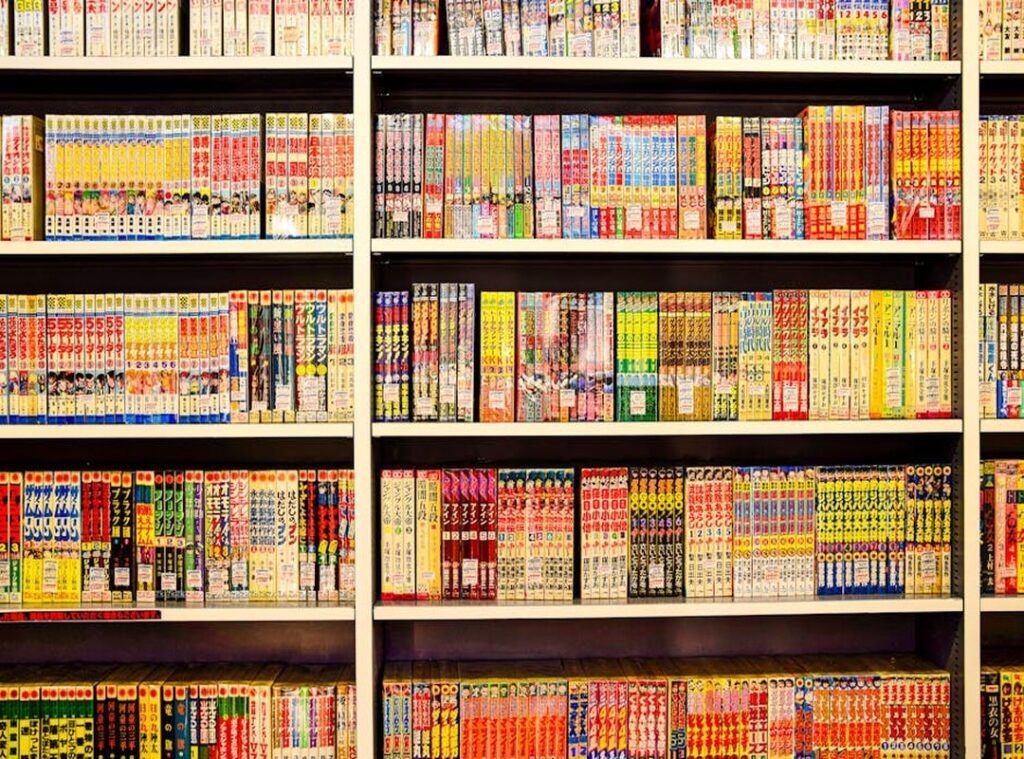
When you think of graphic novels, you might picture superheroes and action. But what if I told you they can be so much more?
Imagine a world where the pages are filled with not just thrilling adventures, but also the rich, complex flavors of a well-cooked meal.
You might be missing out on an entire genre that blends storytelling with the art of cooking.
Food in these stories isn’t just a prop; it’s a powerful narrative tool. It can evoke memories, explore cultures, and even deepen relationships.
I’m here to take you through a handpicked selection of adult graphic novels that will make your mouth water and your heart ache.
These books aren’t just about reading; they’re about experiencing. The visuals can make a dish look so real, you’ll almost taste it.
So, let’s dive into this delicious world together.
Why Food is the Perfect Main Character in a Graphic Novel
Food as a character, and yes, you read that right. In graphic novels, a dish or ingredient can embody comfort, status, conflict, or love.
Think about it: a perfectly drawn bowl of soup can show a character finding solace in a moment of despair.
The visual format of graphic novels is perfect for culinary storytelling. Artists can convey texture, aroma, and taste through detailed illustrations. It’s like the food jumps off the page and into your senses.
Food and memory go hand in hand. A single panel can evoke a Proustian moment—a powerful, nostalgic experience triggered by a simple taste or smell. This connection makes the story more relatable and emotionally resonant.
In hdporncomic, a character might find solace in a steaming bowl of ramen. The way the steam rises, the noodles glisten, and the broth looks rich and inviting—all these details can carry significant emotional weight.
Understanding this concept bridges the gap between theory and practice. It sets the stage for specific book recommendations that will follow. You’ll see how food can be a central, moving element in graphic novels.
Your Reading Menu: Three Essential Culinary Graphic Novels
Let’s dive into some of the best culinary graphic novels out there. Oishinbo is a masterclass in Japanese cuisine, wrapped in a story of journalism and family rivalry. The art style is clean and detailed, making every dish look almost real.
It’s a feast for the eyes and the mind.
Relish: My Life in the Kitchen by Lucy Knisley is next. This heartfelt memoir connects life’s biggest moments to specific foods. The illustrations are charming and personal, adding a layer of warmth to the narrative.
Plus, it includes illustrated recipes, which is a nice touch.
Get Jiro! by Anthony Bourdain is a darkly comedic, dystopian satire on celebrity chef culture and food obsession. The art here is chaotic and action-packed, perfectly matching the intense, sometimes violent, storyline. It’s a wild ride, but it’s also a clever commentary on our food-obsessed society.
These selections showcase the incredible range within the culinary graphic novel subgenre. From realistic food depictions to chaotic, action-packed scenes, each book offers a unique flavor.
If you’re looking for more innovative reads, check out some unique finds that might just surprise you.
The Hidden Flavors: Unpacking Culture, Conflict, and Connection
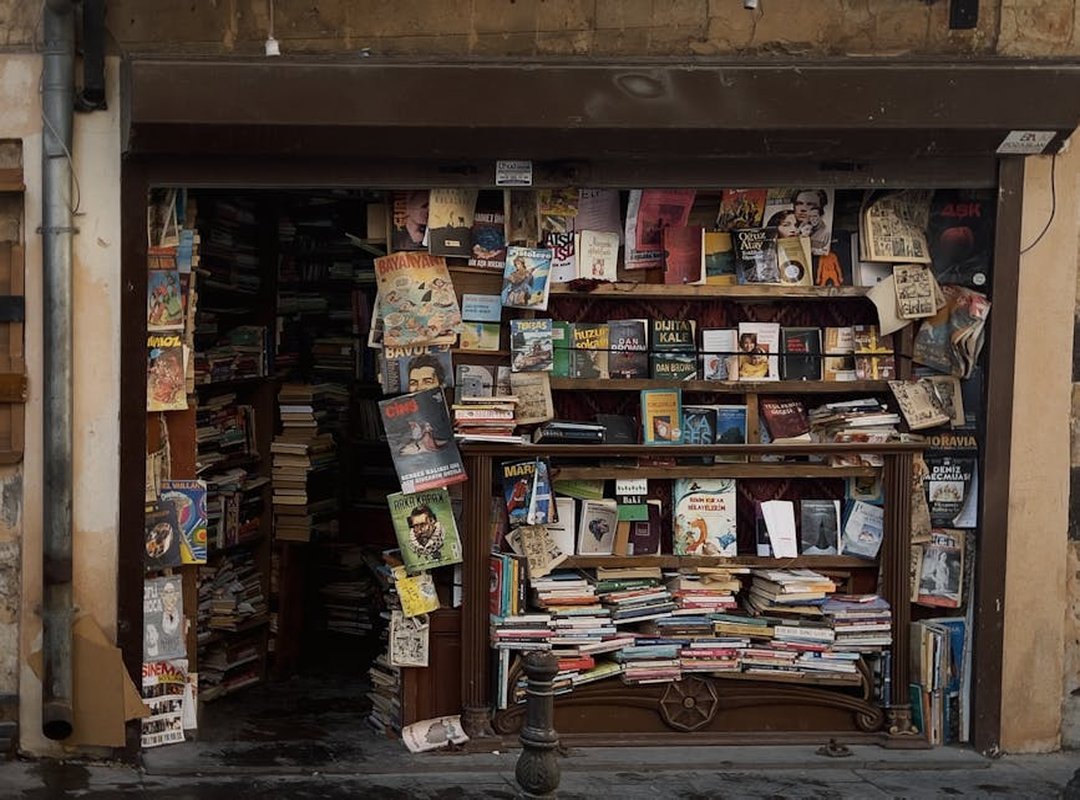
Food isn’t just about filling your stomach. It’s a way to dive deep into cultural identity. Graphic novels often use food to explore this, showing how preserving culinary heritage is crucial.
In some stories, food becomes a source of power and conflict. Think about a tale where chefs are warring gatekeepers of cuisine. They’re not just cooking; they’re fighting for control and influence.
But there’s a softer side too. Food can be a powerful medium for family bonding. It’s a way to forgive, to heal, and to pass down traditions through generations.
The “adult themes” in these books aren’t about explicit content. They’re about the complex emotional layers and sophisticated social commentary. Characters might not say it out loud, but the food does the talking for them.
Take a look at hdporncomic for instance, and it’s not just about the surface plot. It’s about the nuanced ways food is used to communicate what characters can’t say with words.
So, next time you pick up one of these graphic novels, don’t just read the story. Taste the flavors, feel the emotions, and see the connections. You might find more than you expected.
How to Pair Your Reading for a Full Sensory Experience
Enhancing your reading experience can be as simple as engaging multiple senses. hdporncomic Pairing graphic novels with real food and drinks is a delightful way to do this.
Start by trying a simple dashi broth while reading ‘Oishinbo’. The subtle, umami-rich flavors will complement the culinary adventures in the book.
For ‘Relish’, make one of the recipes from the book. This hands-on approach not only adds a personal touch but also makes the story more immersive.
Consider creating a specific atmosphere. Listen to a curated playlist that matches the tone of the book. For a cozy, introspective read, try a soothing tea or a warm cup of coffee.
Enjoying a specific type of beverage can enhance the mood. A glass of wine might pair well with a more mature, sophisticated graphic novel.
This practice is the ultimate way to appreciate the fusion of culinary and literary arts. It makes the story feel more memorable and engaging.
 There is a specific skill involved in explaining something clearly — one that is completely separate from actually knowing the subject. Kylor Eldwain has both. They has spent years working with consumer style spotlights in a hands-on capacity, and an equal amount of time figuring out how to translate that experience into writing that people with different backgrounds can actually absorb and use.
Kylor tends to approach complex subjects — Consumer Style Spotlights, Shopping Trends and Must-Haves, Trending Now in Retail being good examples — by starting with what the reader already knows, then building outward from there rather than dropping them in the deep end. It sounds like a small thing. In practice it makes a significant difference in whether someone finishes the article or abandons it halfway through. They is also good at knowing when to stop — a surprisingly underrated skill. Some writers bury useful information under so many caveats and qualifications that the point disappears. Kylor knows where the point is and gets there without too many detours.
The practical effect of all this is that people who read Kylor's work tend to come away actually capable of doing something with it. Not just vaguely informed — actually capable. For a writer working in consumer style spotlights, that is probably the best possible outcome, and it's the standard Kylor holds they's own work to.
There is a specific skill involved in explaining something clearly — one that is completely separate from actually knowing the subject. Kylor Eldwain has both. They has spent years working with consumer style spotlights in a hands-on capacity, and an equal amount of time figuring out how to translate that experience into writing that people with different backgrounds can actually absorb and use.
Kylor tends to approach complex subjects — Consumer Style Spotlights, Shopping Trends and Must-Haves, Trending Now in Retail being good examples — by starting with what the reader already knows, then building outward from there rather than dropping them in the deep end. It sounds like a small thing. In practice it makes a significant difference in whether someone finishes the article or abandons it halfway through. They is also good at knowing when to stop — a surprisingly underrated skill. Some writers bury useful information under so many caveats and qualifications that the point disappears. Kylor knows where the point is and gets there without too many detours.
The practical effect of all this is that people who read Kylor's work tend to come away actually capable of doing something with it. Not just vaguely informed — actually capable. For a writer working in consumer style spotlights, that is probably the best possible outcome, and it's the standard Kylor holds they's own work to.